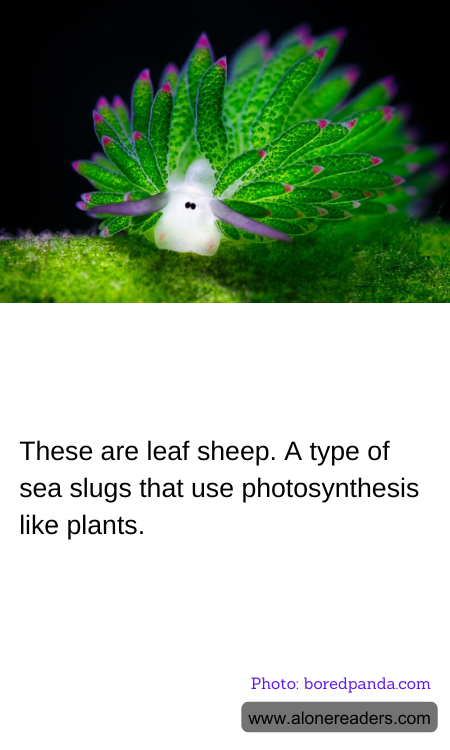
In the vast and diverse world of marine life, there exists a fascinating creature that blurs the line between plant and animal. Known as the "leaf sheep," these captivating sea slugs, scientifically referred to as Costasiella kuroshimae, have garnered attention for their unique ability to harness the power of photosynthesis, much like plants. Found primarily in the warm waters of the Indo-Pacific region, these tiny creatures are not only a marvel of nature but also a testament to the incredible adaptability of life in the ocean.
Leaf sheep are small, typically measuring less than a centimeter in length, and are characterized by their vibrant green coloration and leaf-like appearance. This distinctive look is not just for show; it plays a crucial role in their survival. The green hue is a result of the chloroplasts they acquire from the algae they consume. Unlike most animals, leaf sheep have developed a symbiotic relationship with these chloroplasts, allowing them to perform photosynthesis. This process enables them to convert sunlight into energy, supplementing their diet and providing a unique advantage in their environment.
The ability to photosynthesize is a rare trait among animals, making the leaf sheep a subject of great interest to scientists and marine enthusiasts alike. This phenomenon, known as kleptoplasty, involves the retention of functional chloroplasts from the algae they ingest. Once inside the leaf sheep's cells, these chloroplasts continue to function, providing the slug with an additional source of energy. This remarkable adaptation not only helps the leaf sheep survive in nutrient-poor environments but also reduces their reliance on constant feeding, allowing them to thrive in various marine habitats.
Beyond their biological intrigue, leaf sheep have captured the hearts of many due to their charming appearance. Their resemblance to cartoon sheep, with their rounded bodies and protruding cerata resembling fluffy wool, has made them a popular subject in marine photography and social media. This widespread fascination has helped raise awareness about the importance of marine conservation and the need to protect the delicate ecosystems these creatures inhabit.
In conclusion, the leaf sheep is a remarkable example of nature's ingenuity, showcasing the incredible ways in which life can adapt to its surroundings. Their ability to photosynthesize like plants not only highlights the complexity of marine ecosystems but also serves as a reminder of the interconnectedness of all life forms. As we continue to explore and understand the mysteries of the ocean, the leaf sheep stands out as a symbol of the wonders that await discovery beneath the waves.
