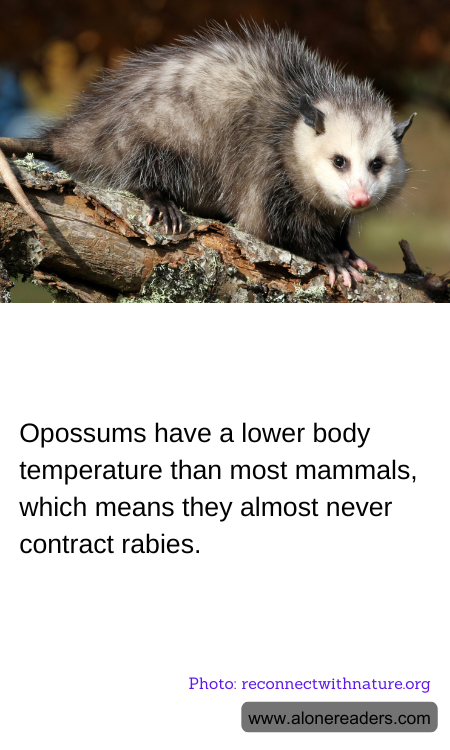
Opossums, often misunderstood and underappreciated, are fascinating creatures with unique biological traits that set them apart from other mammals. One of the most intriguing aspects of opossums is their notably low body temperature, which plays a crucial role in their health and survival. This characteristic not only helps them thrive in various environments but also provides them with a remarkable resistance to certain diseases, including rabies.
The average body temperature of an opossum is significantly lower than that of most mammals, typically ranging between 94 to 97 degrees Fahrenheit. In contrast, the body temperature of most mammals, including humans, hovers around 98.6 degrees Fahrenheit. This lower body temperature is a key factor in the opossum's ability to resist rabies, a viral disease that affects the central nervous system and is often fatal once symptoms appear. Rabies thrives in warmer body temperatures, which is why it is more common in animals with higher body temperatures. The cooler internal environment of an opossum makes it an inhospitable host for the rabies virus, thereby reducing the likelihood of infection.
This natural resistance to rabies is not only beneficial for the opossums themselves but also for the ecosystems they inhabit. As opportunistic feeders, opossums play a vital role in controlling pest populations, including insects and small rodents. By keeping these populations in check, opossums contribute to the balance of their ecosystems, promoting biodiversity and reducing the spread of diseases that can affect other wildlife and even humans. Their resistance to rabies means they can continue to perform these ecological functions without posing a significant risk of transmitting the virus to other animals or humans.
Despite their benefits, opossums often face negative perceptions due to their appearance and behaviors. However, understanding their unique biological traits, such as their low body temperature and resistance to rabies, can help shift public perception and highlight the important role they play in nature. Educating communities about the ecological benefits of opossums can foster greater appreciation and encourage coexistence with these remarkable creatures.
In addition to their resistance to rabies, opossums possess other interesting adaptations, such as their ability to "play dead" when threatened, a behavior known as thanatosis. This involuntary response can deter predators and increase their chances of survival. Moreover, opossums have a diverse diet and are known to consume ticks, which helps reduce the spread of Lyme disease.
In conclusion, opossums are more than just nocturnal wanderers; they are vital components of their ecosystems with unique adaptations that allow them to thrive. Their low body temperature not only provides them with a natural defense against rabies but also underscores the complexity and resilience of these often-overlooked marsupials. By recognizing and appreciating these traits, we can better understand the importance of opossums in maintaining ecological balance and promoting a healthier environment for all species.
