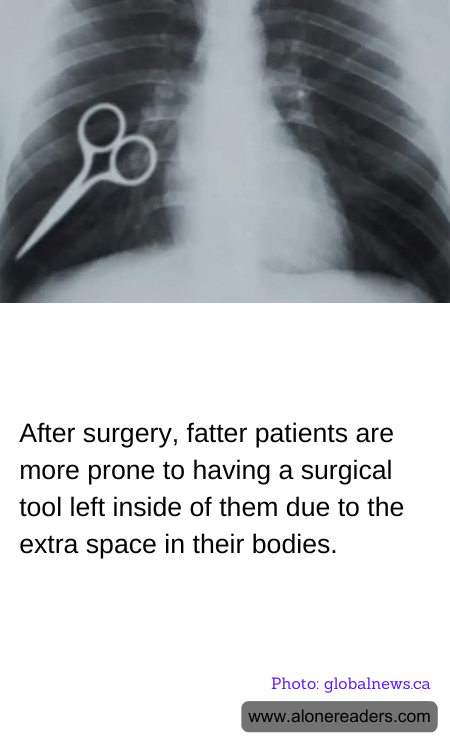
In the realm of surgical procedures, patient safety is paramount, yet the occurrence of retained surgical items (RSIs) remains a significant concern. Among the various factors contributing to this issue, recent studies suggest that patients with higher body mass index (BMI) may be at an increased risk of having surgical tools inadvertently left inside their bodies. This phenomenon is attributed to the additional space within the body cavity, which can complicate the surgical process and increase the likelihood of such errors.
The complexity of surgeries on patients with higher BMI is multifaceted. The additional adipose tissue can obscure the surgical field, making it more challenging for surgeons to maintain a clear view of the area being operated on. This can lead to difficulties in tracking all instruments and materials used during the procedure. Furthermore, the increased depth and size of the surgical site in fatter patients can create more potential spaces where instruments might be inadvertently left behind.
Retained surgical items can have serious consequences for patients, ranging from minor discomfort to severe complications such as infections, organ damage, or even life-threatening conditions. The psychological impact of such an error can also be profound, leading to anxiety and a loss of trust in medical professionals. For healthcare providers, these incidents can result in legal repercussions, financial penalties, and damage to their reputation.
To mitigate the risk of RSIs, hospitals and surgical teams are implementing various strategies. These include rigorous counting protocols before, during, and after surgery, the use of surgical sponges and instruments equipped with radio-frequency identification (RFID) tags, and the adoption of advanced imaging technologies to ensure no foreign objects remain in the body post-operation. Additionally, fostering a culture of safety and encouraging open communication among surgical teams can help prevent these errors.
Education and training also play a crucial role in addressing this issue. Surgeons and operating room staff must be aware of the increased risks associated with surgeries on patients with higher BMI and be equipped with the skills and knowledge to manage these challenges effectively. Continuous professional development and adherence to best practices are essential in reducing the incidence of RSIs.
While the risk of retained surgical items is higher in fatter patients, it is important to recognize that this is a preventable issue. Through a combination of technological advancements, stringent protocols, and a commitment to patient safety, the medical community can work towards minimizing these occurrences. By doing so, they not only enhance the quality of care provided but also reinforce the trust and confidence that patients place in their healthcare providers.
