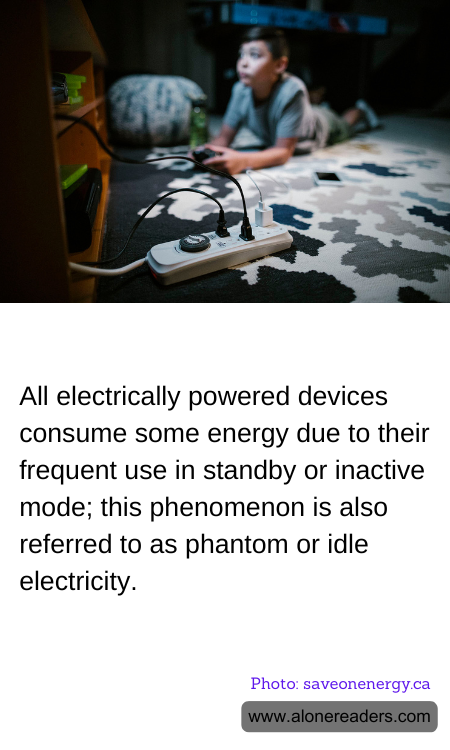
In today's technologically advanced world, our homes and workplaces are filled with a myriad of electrically powered devices designed to make life more convenient and efficient. However, many of these devices continue to consume energy even when they are not actively in use. This phenomenon, often referred to as phantom or idle electricity, is an unseen drain on energy resources that can have significant environmental and financial impacts.
Phantom electricity occurs when devices are left plugged in and continue to draw power despite being turned off or in standby mode. Common culprits include televisions, computers, chargers, and kitchen appliances. These devices are designed to be ready for immediate use, which often requires them to maintain a low level of power consumption to keep certain functions active, such as clocks, sensors, or remote control receivers. While the energy consumed by a single device in standby mode might seem negligible, the cumulative effect across multiple devices can be substantial.
The environmental impact of phantom electricity is significant. Energy production, particularly from non-renewable sources, contributes to greenhouse gas emissions and environmental degradation. By reducing unnecessary energy consumption, we can decrease our carbon footprint and help mitigate climate change. Additionally, reducing phantom electricity can lead to financial savings. According to various studies, phantom electricity can account for up to 10% of a household's energy bill. By identifying and minimizing this waste, consumers can save money while also contributing to a more sustainable future.
There are several strategies to combat phantom electricity. One of the simplest methods is to unplug devices when they are not in use. For devices that are used frequently, such as televisions or computers, using power strips with on/off switches can be an effective solution. Smart power strips are another option; they can automatically cut power to devices that are not in use. Additionally, many modern devices come with energy-saving modes or settings that can be activated to reduce standby power consumption.
Awareness and education are key to addressing the issue of phantom electricity. By understanding the impact of idle energy consumption and taking proactive steps to reduce it, individuals can make a meaningful difference. As technology continues to evolve, manufacturers are also recognizing the importance of energy efficiency and are developing products that consume less power in standby mode.
In conclusion, while phantom electricity might seem like a minor issue, its implications are far-reaching. By taking simple steps to reduce idle energy consumption, we can save money, protect the environment, and contribute to a more sustainable future. As consumers, we have the power to make informed choices that benefit both our wallets and the planet.
