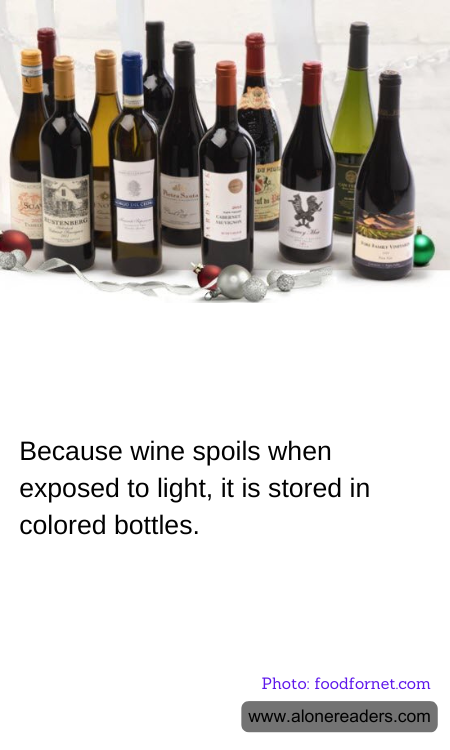
Wine, a beverage cherished for its rich flavors and cultural significance, requires careful handling to maintain its quality. One of the key factors in preserving wine is protecting it from light exposure. This is why wine is traditionally stored in colored bottles, a practice that combines both science and tradition to ensure that the wine remains as intended by the winemaker.
Light, particularly ultraviolet (UV) light, can have a detrimental effect on wine. When wine is exposed to light, it can undergo a chemical reaction known as "lightstrike." This reaction can alter the wine's flavor, aroma, and color, leading to what is often described as a "skunky" or "off" taste. The compounds in wine, especially those in white and rosé varieties, are particularly sensitive to light. These wines can quickly lose their delicate flavors and aromas if not properly shielded.
Colored bottles, typically in shades of green or brown, serve as a protective barrier against harmful UV rays. The darker the bottle, the more effective it is at blocking light. Green bottles are commonly used for white wines, while brown bottles are often reserved for beers and some red wines. This practice not only helps in preserving the wine's integrity but also adds an aesthetic appeal to the packaging, making it a staple in wine presentation.
The tradition of using colored bottles dates back centuries and is rooted in both practicality and historical necessity. Before the advent of modern refrigeration and storage solutions, winemakers had to rely on natural methods to protect their products. The use of colored glass was a simple yet effective solution that has stood the test of time. Today, even with advanced storage technologies, the use of colored bottles remains a preferred method due to its effectiveness and cost-efficiency.
For wine enthusiasts and casual drinkers alike, understanding the importance of storing wine in colored bottles can enhance their appreciation of this age-old beverage. When purchasing wine, it is advisable to choose bottles that are stored away from direct light sources, such as sunlight or fluorescent lighting, to ensure the wine remains in optimal condition. Additionally, storing wine in a cool, dark place at home can further protect it from light damage.
In conclusion, the use of colored bottles is a crucial aspect of wine preservation. By shielding wine from harmful light exposure, these bottles help maintain the wine's intended flavor profile and quality. This practice, steeped in tradition and supported by science, continues to be an essential part of the wine industry, ensuring that each sip is as enjoyable as the winemaker intended. Whether you're a seasoned connoisseur or a curious newcomer, appreciating the role of colored bottles in wine storage can deepen your understanding and enjoyment of this beloved beverage.
