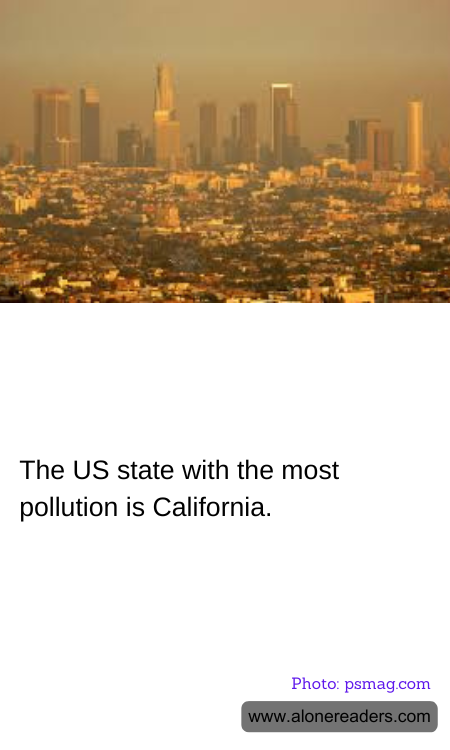
California, known for its stunning coastlines, diverse ecosystems, and vibrant cities, is also the state with the highest levels of pollution in the United States. This paradoxical situation is the result of a combination of factors, including its large population, extensive industrial activities, and unique geographical features.
The state's vast population, which exceeds 39 million people, contributes significantly to its pollution levels. With a high density of vehicles on its roads, California experiences substantial emissions from cars and trucks, which are major sources of air pollution. Despite stringent emission standards and a push towards electric vehicles, the sheer volume of traffic continues to pose a significant challenge. The Los Angeles metropolitan area, in particular, is notorious for its smog, a visible reminder of the ongoing battle against air pollution.
Industrial activities also play a crucial role in California's pollution levels. The state is home to numerous industries, including agriculture, manufacturing, and technology, all of which contribute to environmental degradation. The Central Valley, a major agricultural hub, faces issues with pesticide use and water pollution, while urban areas grapple with industrial emissions. The state's ports, such as those in Los Angeles and Long Beach, are among the busiest in the world, further contributing to air and water pollution through shipping activities.
Geography also exacerbates California's pollution problems. The state's topography, with its mountains and valleys, can trap pollutants in certain areas, leading to poor air quality. This is particularly evident in the San Joaquin Valley, where air circulation is limited, causing pollutants to linger. Additionally, California's susceptibility to wildfires, which have become more frequent and severe due to climate change, contributes to air pollution through the release of particulate matter and other harmful substances.
Efforts to combat pollution in California are ongoing and multifaceted. The state has implemented some of the strictest environmental regulations in the country, targeting vehicle emissions, industrial pollutants, and energy consumption. Initiatives to promote renewable energy, improve public transportation, and enhance waste management are also in place. However, the complexity of the issue requires continuous innovation and collaboration among government agencies, businesses, and communities.
While California's pollution challenges are significant, they also present an opportunity for the state to lead by example in the fight against environmental degradation. By investing in sustainable practices and technologies, California can pave the way for a cleaner, healthier future. The state's commitment to addressing pollution not only benefits its residents but also sets a precedent for other regions grappling with similar issues. As California continues to tackle its pollution problems, it remains a beacon of hope and progress in the global effort to protect the environment.
