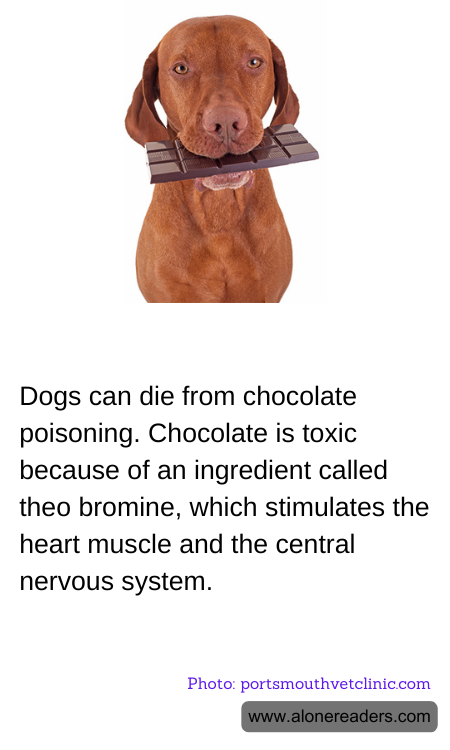
Chocolate, a beloved treat for many humans, poses a significant danger to our canine companions. While it may be tempting to share a piece of chocolate with your dog, doing so can have dire consequences. The culprit behind this risk is a compound called theobromine, which is found in chocolate and is toxic to dogs. Understanding why chocolate is harmful to dogs and how to prevent accidental ingestion is crucial for every pet owner.
Theobromine is a naturally occurring stimulant found in cocoa beans, the primary ingredient in chocolate. While humans can metabolize theobromine efficiently, dogs process it much more slowly, allowing it to build up to toxic levels in their system. This compound affects the heart muscle and the central nervous system, leading to a range of symptoms that can vary in severity depending on the amount of chocolate consumed and the size of the dog.
When a dog ingests chocolate, the symptoms of theobromine poisoning can manifest within a few hours. Initial signs may include vomiting, diarrhea, increased thirst, and restlessness. As the condition progresses, more severe symptoms such as rapid breathing, muscle tremors, seizures, and an irregular heartbeat can occur. In extreme cases, chocolate poisoning can lead to coma or even death. It is important to note that different types of chocolate contain varying levels of theobromine, with dark chocolate and baking chocolate being the most dangerous due to their higher concentrations.
Preventing chocolate poisoning in dogs involves vigilance and education. Pet owners should ensure that chocolate and any products containing cocoa are stored securely out of reach of curious pets. During holidays and celebrations, when chocolate treats are more prevalent, extra caution should be taken to prevent accidental ingestion. Educating family members, especially children, about the dangers of feeding chocolate to dogs is also essential.
If you suspect your dog has consumed chocolate, it is crucial to act quickly. Contact your veterinarian immediately for advice. They may recommend inducing vomiting or administering activated charcoal to prevent further absorption of theobromine. In some cases, hospitalization may be necessary to provide supportive care and monitor the dog's condition.
In conclusion, while chocolate is a delightful indulgence for humans, it poses a serious threat to dogs due to the presence of theobromine. By understanding the risks and taking preventive measures, pet owners can protect their furry friends from the dangers of chocolate poisoning. Always prioritize your dog's health and well-being by keeping chocolate out of their reach and seeking prompt veterinary care if an accidental ingestion occurs.
