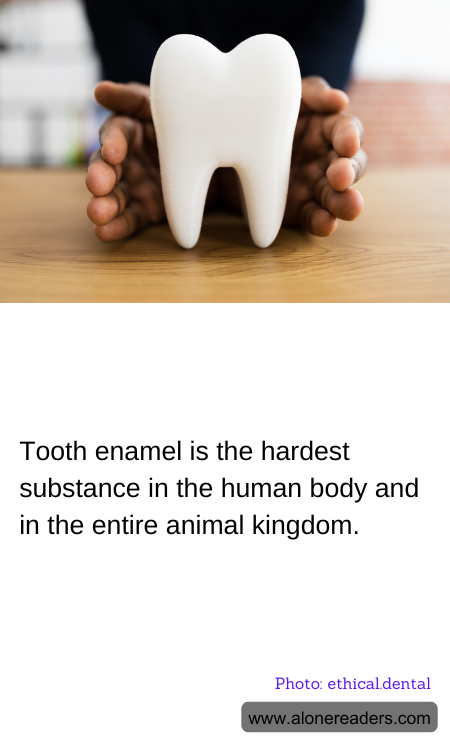
Tooth enamel is a remarkable substance that plays a crucial role in our oral health. It is the hardest substance in the human body and, indeed, in the entire animal kingdom. This incredible durability is essential for the function it serves—protecting our teeth from the daily wear and tear of biting, chewing, and grinding food.
Enamel is the outermost layer of our teeth, and its primary function is to act as a protective shield. It is composed mainly of hydroxyapatite, a crystalline calcium phosphate, which gives it its extraordinary hardness. This mineral-rich composition allows enamel to withstand significant pressure and resist damage from acidic substances that are often present in our diet. Despite its strength, enamel is not invincible. It can be eroded by acids from sugary foods and drinks, as well as from certain medical conditions that cause acid reflux or frequent vomiting.
Interestingly, tooth enamel is not just the hardest substance in humans but also in the entire animal kingdom. This characteristic is shared by many animals, whose survival often depends on their ability to efficiently process food. For instance, the enamel of a beaver's teeth is incredibly tough, allowing it to gnaw through wood. Similarly, the enamel on a shark's teeth is designed to endure the harsh conditions of the ocean and the demands of a carnivorous diet.
Despite its strength, enamel does not have the ability to regenerate. Once it is damaged or worn away, it cannot be restored naturally by the body. This is why maintaining good oral hygiene is crucial. Regular brushing and flossing, along with routine dental check-ups, can help preserve enamel and prevent decay. Using fluoride toothpaste can also strengthen enamel and make it more resistant to acid attacks.
In addition to personal care, diet plays a significant role in enamel health. Consuming foods rich in calcium and phosphorus can help maintain strong enamel. Limiting sugary snacks and acidic beverages can also reduce the risk of enamel erosion. Drinking water, especially fluoridated water, can further support enamel health by washing away food particles and neutralizing acids.
Tooth enamel's unparalleled hardness is a testament to its evolutionary importance. It has enabled humans and animals alike to adapt to a variety of diets and environments. By understanding and respecting the limitations of enamel, we can take steps to protect it and ensure our teeth remain healthy throughout our lives. Whether through mindful eating habits or diligent oral care, preserving this natural armor is essential for maintaining overall dental health.
