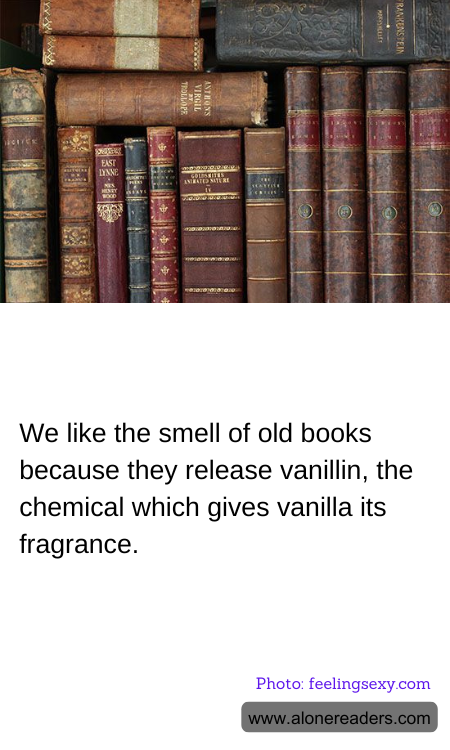
The allure of old books is a phenomenon that transcends generations, captivating readers with more than just their stories. One of the most enchanting aspects of these literary treasures is their distinctive aroma, a scent that evokes nostalgia and curiosity. This unique fragrance is not merely a byproduct of age but is largely due to the presence of vanillin, a chemical compound that also gives vanilla its characteristic scent.
Vanillin is a primary component of the vanilla bean, widely used in both culinary and fragrance industries for its sweet and comforting aroma. In the context of old books, vanillin is released as a result of the natural degradation of lignin, a complex organic polymer found in the cell walls of plants, including the wood pulp used in paper production. As books age, the lignin breaks down, releasing vanillin and other volatile organic compounds into the air, creating that familiar and beloved scent.
The smell of old books is often described as a blend of vanilla, almonds, and a hint of mustiness, a combination that many find deeply comforting. This olfactory experience is not just a sensory delight but also a trigger for memories and emotions. For some, the scent of an old book can evoke memories of childhood visits to the library, afternoons spent in the company of a beloved grandparent, or the quiet solitude of a personal reading nook. It is a fragrance that speaks to the passage of time, the preservation of knowledge, and the enduring nature of stories.
Interestingly, the appeal of this scent is not limited to bibliophiles alone. Scientists have studied the psychological effects of the smell of old books and found that it can induce feelings of calm and relaxation. This is partly because the scent is associated with positive memories and partly because it is reminiscent of natural environments, which humans are inherently drawn to. The comforting aroma of vanillin, combined with the tactile experience of turning the pages of a well-loved book, creates a multisensory experience that digital formats struggle to replicate.
In a world increasingly dominated by digital media, the scent of old books serves as a reminder of the tangible and sensory pleasures that physical books offer. It is a testament to the enduring power of print, a medium that continues to captivate and inspire despite the convenience of electronic alternatives. For many, the smell of an old book is more than just a pleasant aroma; it is a gateway to the past, a connection to history, and a celebration of the written word.
As we continue to embrace new technologies, the scent of old books remains a cherished aspect of our cultural heritage. It is a reminder that while stories may evolve, the sensory experiences they provide are timeless. Whether you are a seasoned bibliophile or a casual reader, the next time you pick up an old book, take a moment to savor its scent. It is a fragrance that tells a story all its own, one of time, tradition, and the enduring magic of books.
