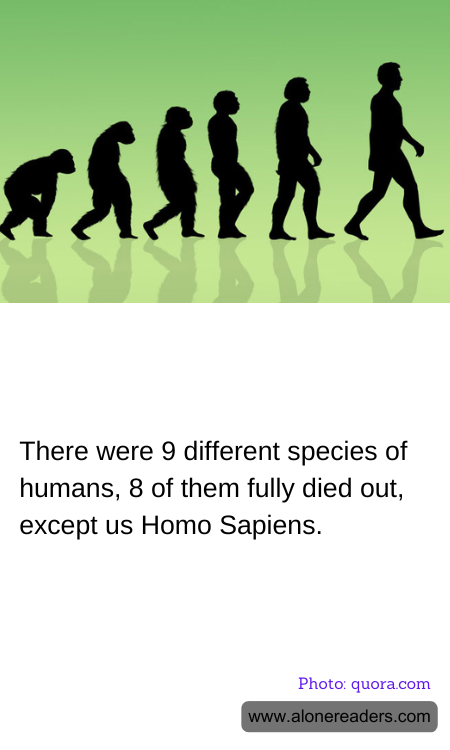
In the grand tapestry of human history, the story of our species, Homo sapiens, is just one thread among many. While today we stand as the sole representatives of the human lineage, the past was a vibrant mosaic of diverse human species. At least nine different species of humans once roamed the Earth, each adapting to their environments in unique ways. However, over time, eight of these species vanished, leaving Homo sapiens as the last survivors.
The tale of these ancient relatives begins millions of years ago in Africa, the cradle of humanity. Among the earliest known human species was Homo habilis, often credited with the first use of stone tools. As time progressed, other species emerged, such as Homo erectus, who were the first to venture out of Africa, spreading across Asia and Europe. Their adaptability and use of fire marked significant evolutionary milestones.
In Europe, the Neanderthals, or Homo neanderthalensis, carved out a niche for themselves, enduring harsh Ice Age climates. They were robust, skilled hunters, and evidence suggests they had complex social structures and even practiced burial rituals. Meanwhile, in Asia, the Denisovans, a mysterious group known primarily from DNA evidence and a few fossil fragments, thrived in regions that overlapped with both Neanderthals and early Homo sapiens.
Other species, like Homo floresiensis, often referred to as "hobbits" due to their small stature, inhabited the island of Flores in Indonesia. Their discovery challenged previous notions of human evolution, suggesting that isolation could lead to significant evolutionary changes. Similarly, Homo naledi, discovered in South Africa, added to the complexity of our family tree with their unique blend of primitive and modern traits.
Despite their differences, these species shared the planet with Homo sapiens for thousands of years. The reasons for their extinction remain a topic of scientific inquiry and debate. Climate change, competition for resources, and disease are all potential factors. Some theories suggest that interbreeding with Homo sapiens led to the absorption of certain species' genetic traits into our own lineage, as evidenced by the presence of Neanderthal and Denisovan DNA in modern humans.
The survival of Homo sapiens can be attributed to a combination of factors, including our ability to adapt to diverse environments, develop complex language and social structures, and innovate technologically. These traits allowed us to thrive while other species faltered.
Reflecting on the lost branches of our family tree offers valuable insights into the resilience and adaptability that define humanity. It serves as a reminder of our shared origins and the interconnectedness of all human beings. As we continue to explore our past, we gain a deeper understanding of what it means to be human and the importance of preserving the diversity of life on our planet.
