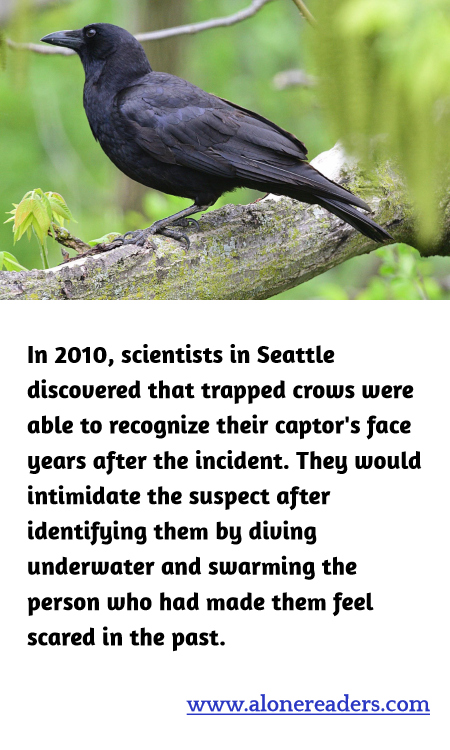
The intelligence of crows is a subject of immense fascination and study, highlighted significantly by an interesting observation by scientists in Seattle in 2010. These researchers found that crows have an impressive memory, particularly when it comes to recognizing faces associated with negative experiences. Crows captured and subsequently released by certain individuals were able to remember their captors, even years after the event. What makes this finding more noteworthy is the way these birds reacted to their past captors. Upon spotting them, the crows used what could be termed as intimidatory tactics, including swooping down over them - a behavior commonly interpreted as aggressive or defensive.
These interactions went beyond mere recognition. The crows communicated with each other, effectively ‘pointing out’ the individual to other crows who joined in the swooping, thereby enlarging the scale of this defensive strategy. This behavior presents a clear indication of the birds' ability to recall and communicate human faces to each other, an advanced cognitive capability that many might assume is reserved for only the most intelligent of animals.
The implications of such studies are profound for our understanding of animal intelligence, and more specifically, avian intelligence. Crows, part of the corvid family, have been shown repeatedly in scientific studies to possess complex problem-solving skills, and exhibit behaviors that suggest a high degree of social complexity. For instance, they are known to use tools, hold funerals by gathering around dead peers, and plan for future events, traits which indicate a sophisticated level of thought not unlike that found in humans and some primates.
The Seattle incident raises important questions about the way we interact with wildlife. Experiencing intimidation tactics by crows might not be very pleasant, but it serves as a reminder to humans about the long-lasting impact their actions can have on animals. These bird’s reactions tell a story of fear, memory, and perhaps even revenge, shedding light upon the emotional resonance and long memories these animals possess. Respecting wildlife and understanding the consequences of our interactions with various species is critical, not only for the ethical treatment of animals but also for fostering coexistence between humans and the increasingly urbanized environments we share with creatures like crows. As we continue to encroach on natural habitats, acknowledging the intelligence and emotional capacities of animals becomes crucial in managing our relationships with them.
