Oxygen is essential for brain function, and the deprivation of oxygen to the brain, even for a short period, can have severe and lasting effects. The human brain relies heavily on oxygen to perform its complex cognitive and neurological functions. Typically, the brain consumes about 20% of the body's oxygen supply, despite only making up about 2% of a person’s total body weight.
When the brain is deprived of oxygen for five minutes, it can lead to a condition known as cerebral hypoxia. This condition occurs when brain cells do not receive enough oxygen to perform essential operations. Oxygen is vital for brain cells because it is used to generate adenosine triphosphate (ATP), the energy currency of the cell required for the synthesis of neurotransmitters and for powering ion pumps necessary for brain activity.
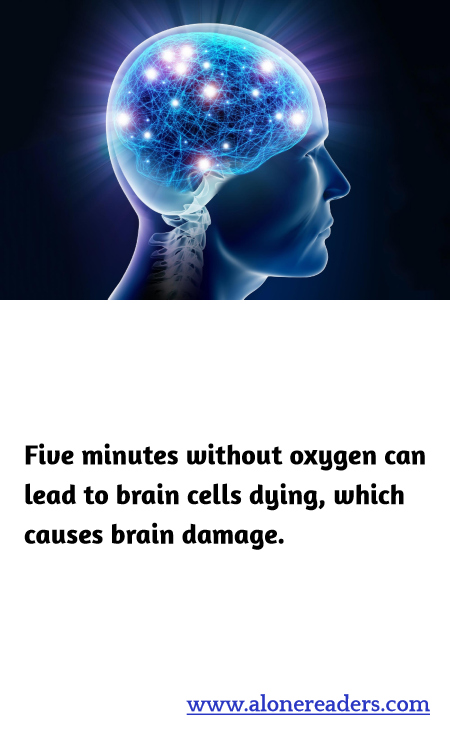
Without adequate oxygen, brain cells begin to die through a process called apoptosis, also known as programmed cell death. This can occur as soon as five minutes after oxygen supply is cut off. The death of brain cells can lead to severe brain damage and can affect a variety of functions depending on which area of the brain is impacted. For instance, oxygen deprivation in the hippocampus, an area critical for memory, can result in memory loss, while lack of oxygen in the cerebral cortex can impair cognitive functions and sensory processing.
The consequences of brain damage due to oxygen deprivation can be profound. They may include cognitive impairments such as difficulties in processing information, problem-solving, and concentrating. Physically, a person may experience reduced motor control, and psychologically, they might undergo personality changes and emotional instability. In severe cases, extended periods of oxygen deprivation can lead to coma or death.
Prompt medical attention is crucial when someone is suspected of experiencing oxygen deprivation. Treatments often involve restoring oxygen supply as quickly as possible and mitigating any brain swelling or additional injuries that might have occurred. In the long-term, rehabilitation therapies such as physical therapy, occupational therapy, and speech therapy may be required to help the patient regain lost functions or adapt to changes.
In conclusion, it is evident that even a brief period of oxygen deprivation can be detrimental to brain health. Preventative measures, effective emergency response, and immediate medical treatment are vital for mitigating the severe consequences of cerebral hypoxia, underscoring the importance of awareness and education on this critical medical issue.
