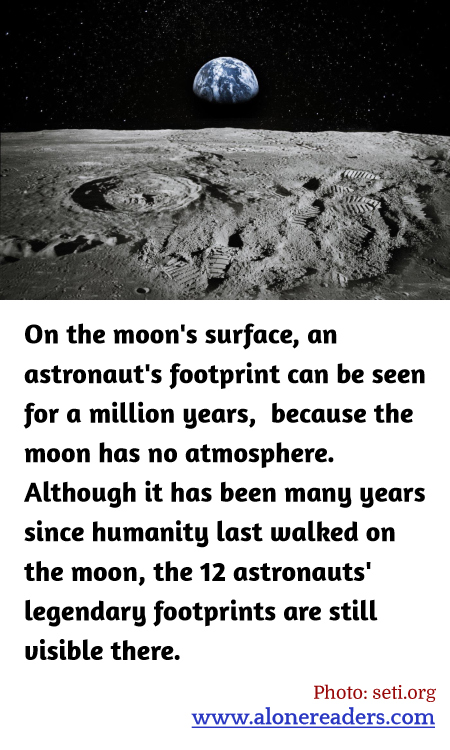
The idea of leaving a lasting mark somewhere as remote as the moon captures the imagination like little else. Unlike Earth, where natural forces quickly erase most traces of human presence, the moon offers a striking exception. In the absence of an atmosphere, there is no wind or water to erode or wash away the footprints left by astronauts. This lack of atmospheric disturbance coupled with minimal geological activity means that marks made on the lunar surface could potentially remain visible for durations extending up to millions of years.
Since the last human visit in 1972 during the Apollo 17 mission, the moon has preserved the footprints of the 12 astronauts who have walked on its surface, standing as a testament to human exploration. Each footprint is more than just an impression in the lunar dust; it serves as a symbolic, historical record of mankind's journey beyond Earth. These footprints are composed of regolith, the fine lunar dust and broken rock on the moon’s surface. This regolith was compacted under the boots of the astronauts, creating not just depressions but a record of human presence that does not exist similarly anywhere else in our solar system.
Moreover, the longevity of these marks on the moon enhances their scientific value. They offer insights into the properties of lunar dust and the effects of prolonged exposure to the space environment. For future lunar missions, understanding how materials behave on the moon's surface is crucial. These footprints might one day serve as historical landmarks for new waves of lunar tourists or colonists looking to explore the historical sites of early moon exploration.
In a broader sense, the preservation of these footprints is also a poignant reminder of human achievements and aspirations. Each step taken on the moon was a step into the unknown, driven by curiosity and courage—a narrative that continues to inspire all fields of human endeavor to this day. As we look toward the possibility of returning to the moon or venturing further into space, the footprints remind us not only of where we have been but also of the potential and possibilities that lie in the cosmos. These imprints are not just relics of a past era but beacons for future generations to follow into the vast expanse of space.
