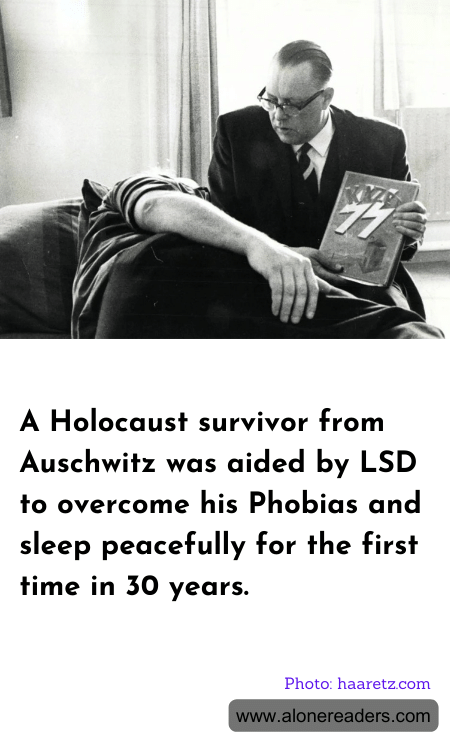
In a remarkable account of psychological healing, a Holocaust survivor from Auschwitz has reportedly overcome his longstanding phobias and achieved peaceful sleep for the first time in 30 years, thanks to the therapeutic use of LSD (lysergic acid diethylamide). This intervention points to the growing interest in and effectiveness of psychedelic-assisted therapy to treat persistent psychological conditions.
For decades, survivors of the Holocaust have reported a range of psychological effects, including PTSD, nightmares, and various phobias. The intense trauma experienced during such horrific circumstances often leaves enduring scars on survivors, impacting their mental health and quality of life long after the physical dangers have passed.
The survivor in question, who endured unimaginable horrors at Auschwitz, struggled with severe phobias and recurrent nightmares that disrupted his sleep for many years. Traditional therapies provided little relief, and the persistent psychological burden seemed unshakeable. The turning point came when he was introduced to controlled, therapeutic use of LSD, administered under the supervision of medical professionals and therapists who specialize in psychedelic-assisted therapy.
This form of therapy involves administering psychedelics like LSD in a controlled, therapeutic environment, guided by trained professionals. The psychedelic experience, often described as profoundly altering perception, emotion, and cognitive processes, can allow individuals to confront traumatic memories in a new light. For this survivor, LSD provided a unique opportunity to process and integrate traumatic memories from his time in the concentration camp.
Reports suggest that after a few sessions of LSD-assisted therapy, he began to experience significant improvements. Not only did his phobias diminish, but he also started enjoying restful, uninterrupted sleep, something he hadn’t experienced in decades. The therapy sessions facilitated a psychological breakthrough that other treatment modalities had not achieved, illuminating the profound impact that such an approach can have on enduring mental health issues.
While psychedelic-assisted therapy is still a developing field, stories like these highlight its potential as a powerful tool in mental health treatment. The Food and Drug Administration (FDA) in the United States has designated psilocybin therapy as a "breakthrough therapy" for severe depression, a similar compound to LSD, underscoring the medical community’s growing recognition of the benefits of psychedelics.
Nevertheless, the use of LSD and other psychedelics in therapy remains controversial and is tightly regulated. Continued research and clinical trials are crucial to fully understanding the efficacy and safety of these substances in therapeutic settings. For survivors of trauma, and perhaps particularly for those with experiences as severe as those of Holocaust survivors, the potential of psychedelic-assisted therapy offers a hopeful avenue for recovery and peace. As research progresses, it could pave the way for new, effective treatments for a range of persistent psychological conditions.
