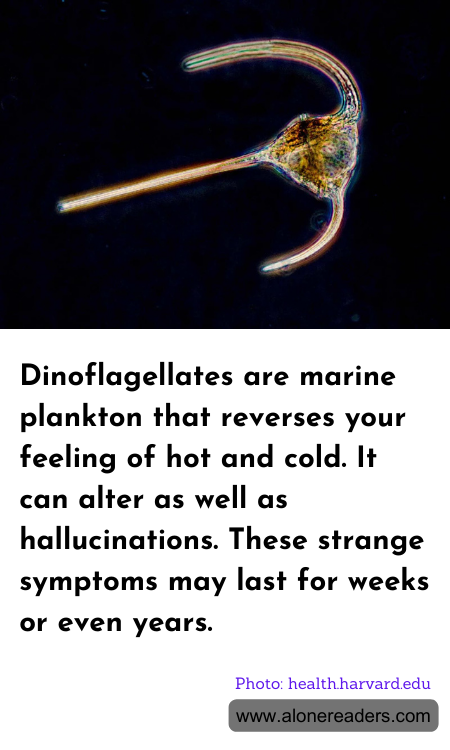
Dinoflagellates are a group of marine plankton that ranks among the most interesting and complex microscopic organisms in ocean ecosystems. These single-celled organisms play a crucial role in the marine food chain and are known for their ability to perform photosynthesis, just like plants. However, not all dinoflagellates are innocent contributors to oceanic health; some species produce potent toxins that can have bizarre and severe effects on humans.
One of the most notable and intriguing impacts of these toxins is their ability to disrupt normal sensory perceptions in humans, including the reversal of hot and cold sensations. This peculiar phenomenon primarily results from the consumption of seafood contaminated with certain toxic dinoflagellates. When humans consume tainted fish or shellfish, they might ingest toxins capable of altering normal neurological functions. The toxins interfere with nerve transmission, sometimes leading to a phenomenon where one feels cold when touching something hot and vice versa—a condition that can be disorienting and dangerous.
Further complicating the matter, some dinoflagellates are responsible for producing toxins that lead to hallucinations. Cases have been reported where individuals experienced vivid visual and auditory hallucinations after consuming affected seafood. This condition is not only unsettling but particularly hazardous, as it can impair judgement and perception, leading to incidents and accidents.
The symptoms caused by these toxins, such as sensory reversal and hallucinations, can last for varying durations. While some affected individuals recover within weeks, others may experience persisting symptoms for years, highlighting the long-lasting impact of these neurotoxins. Unfortunately, treatments for the neurological effects of dinoflagellate toxins are limited, mostly focusing on alleviating symptoms rather than countering the toxins directly.
Moreover, the dangers presented by toxic dinoflagellates are not limited to direct human consumption. These organisms can cause large-scale marine die-offs and disrupt local ecosystems, leading to broader environmental challenges. Blooms of toxic dinoflagellates, often referred to as red tides, can deplete oxygen in water and release toxins that kill fish, mammals, and birds.
Handling this threat involves a combination of monitoring and preventive measures. Efforts are made to keep tabs on dinoflagellate populations and their blooms via satellite imagery and water sampling. Advisories and closures of affected fisheries and beaches help to mitigate risk, but public awareness and education are also crucial. Understanding which seafood might be tainted and recognizing the symptoms of exposure are essential steps in protecting oneself against the bizarre and harmful effects of these marine organisms. Safe eating practices and informed choices go a long way in minimizing the negative consequences of these otherwise fascinating marine dwellers.
