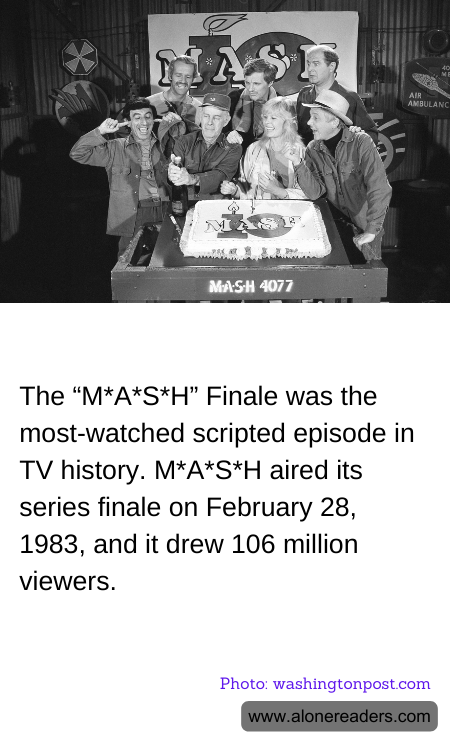
When "M*A*S*H" aired its final episode, titled "Goodbye, Farewell and Amen," on February 28, 1983, it captivated a staggering 106 million viewers, making it the most-watched scripted episode in television history. This iconic series, which masterfully blended humor with sharp criticism of the horrors of war, concluded its 11th season with a finale that has remained unmatched in viewership to this day. The episode effectively marked the end of what had been more than a decade of compelling and thoughtful storytelling about the staff of an army medical unit during the Korean War.
The finale itself was an extended episode, running approximately two hours and 30 minutes. It provided a deeply emotional and satisfying conclusion to the series. The show's creators managed to effectively wrap up the storylines of beloved characters like Hawkeye, BJ, and Colonel Potter, among others. These characters had become household names, and fans had grown to love them for their depth, humor, and humanity. The emotional investment of the audience was evident in the massive viewership the finale received.
"M*A*S*H" set itself apart by cleverly using the setting of war to explore themes of friendship, life, death, and morality. These often poignant explorations were thoughtfully woven through relationships and the routine calamities faced at the Mobile Army Surgical Hospital. Its ability to address serious issues while maintaining a sense of humor is one of the reasons it remained so popular among its viewers.
Moreover, the series had influenced the landscape of how television addressed the theme of war. Before "M*A*S*H," many war-related television shows often glorified combat without showcasing the deeper emotional and psychological impacts of war on individuals. "M*A*S*H" portrayed its characters with a balance of heroism and vulnerability, making the show resonate more with the realities experienced by veterans and those impacted by war.
The legacy of "M*A*S*H" is significant; its series finale still stands as a high watermark for television, demonstrating the power of television storytelling when it combines great writing, compelling characters, and meaningful narratives. The impact was such that it not only carved a permanent place in TV history but also left a lasting impression on its audience, shaping how future tv dramas approached complex and challenging themes.
