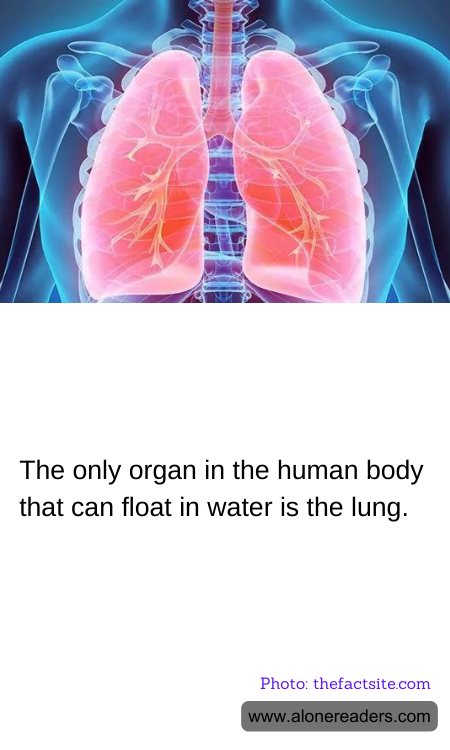
The human body is an intricate system composed of several organs, each crucial for various functions that sustain life. Among these, the lungs are particularly unique because they are the only organs in the body that can float on water. This characteristic is due to the structure and function of the lungs, primarily designed for gas exchange to support the body's respiratory needs.
Lungs are spongy, air-filled organs located on either side of the chest within the rib cage. They are composed of a light, porous tissue that enhances their main function: to transfer oxygen into the blood and remove carbon dioxide from it. When a person inhales, air fills the alveoli, tiny balloon-like structures within the lungs, increasing their buoyancy. This ability to remain buoyant, and thus float in water, is primarily due to the presence of air in these alveoli.
The characteristic of floating is evident in scenarios such as lung pathology examinations and autopsies. In such instances, the "float test" is sometimes used to determine if a lung has been aerated, often in the context of investigating whether a newborn had ever breathed air outside the womb.
While the lungs’ ability to float in water is a minor aspect of their role in the human body, it highlights the uniqueness of their structure and the specialized nature of their function. This feature underscores the importance of maintaining lung health, as these delicate organs are vital for efficient gas exchange, crucial for sustaining all other bodily functions. Lung health can be influenced by various factors, including air quality, smoking, and overall lifestyle choices. Therefore, understanding and preserving lung function is essential for overall health and well-being.
