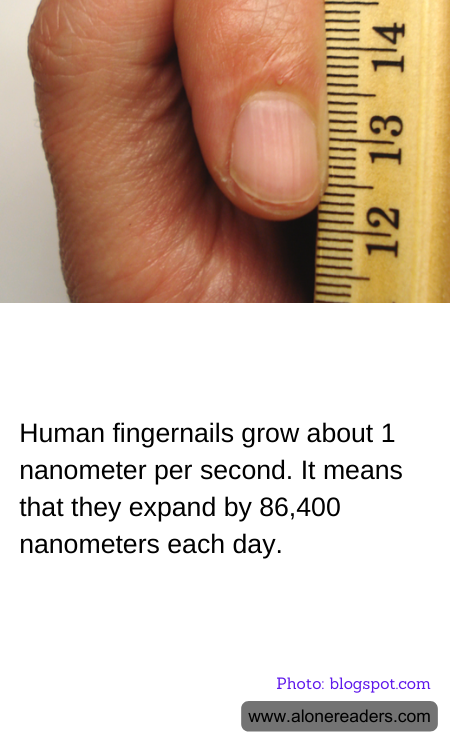
Fingernails are a fascinating aspect of human biology, often overlooked in discussions of physiological functions and growth patterns. Astonishingly, human fingernails grow approximately 1 nanometer per second. This seemingly minute rate accumulates significantly over time, leading to a growth of about 86,400 nanometers per day. To put this into perspective, a nanometer is one-billionth of a meter, highlighting how incremental yet consistent this growth is.
The mechanisms behind nail growth involve a combination of genetic, environmental, and health factors. The primary locus of nail production is the nail matrix, situated under the skin at the nail's base, where keratin—a type of protein that is a fundamental component of hair, skin, and nails—is generated. As new cells are produced, older cells are pushed out, hardened, and transformed into the flat, hard plates that form the visible nail.
This continuous growth can be influenced by several factors including age, nutrition, and health. Generally, nails grow faster in younger individuals and the rate can decrease with age. A balanced diet rich in vitamins and minerals supports optimal nail growth and overall health. In contrast, malnutrition and health conditions such as anemia can markedly slow the rate of nail growth and affect their appearance and strength.
In addition, external factors like the climate also play a role; nails typically grow faster in warmer climates due to improved blood circulation which stimulates growth. Moreover, the nails on a person's dominant hand usually grow faster due to increased activity and blood flow to the area.
While the daily growth of fingernails might seem trivial, it is a testament to the dynamic and regenerative nature of the human body. The constant renewal of fingernails is just one of the many automatic processes our bodies perform without conscious effort, reflecting a broader symphony of cellular activity that sustains human life. Thus, even the minutiae of our biology can offer profound insights into the complexity and adaptiveness of our bodies.
