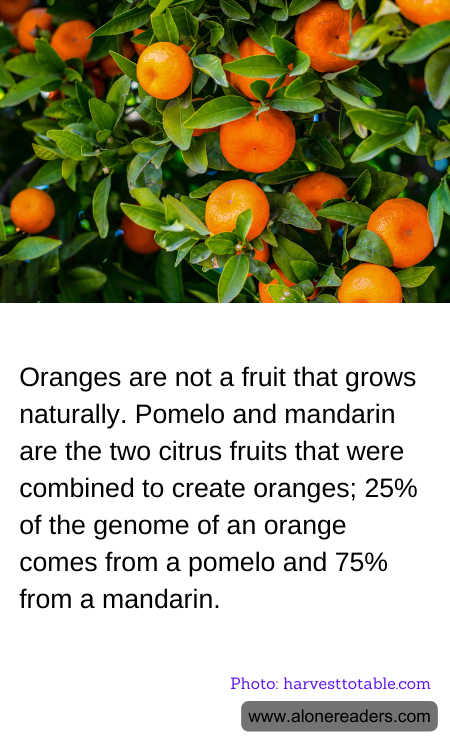
Oranges, one of the most popular and beloved fruits worldwide, are actually not a naturally occurring species. They are a hybrid, derived from crossing two distinct citrus species: the pomelo and the mandarin. The blend of these two fruits has given rise to the sweet and tangy oranges we enjoy today. Specifically, an orange inherits about 25% of its genetic makeup from the pomelo and 75% from the mandarin. This precise genetic combination is crucial to the characteristics of an orange, from its vibrant color and juicy texture to its sweet yet slightly tart flavor.
The hybridization that led to the creation of the orange is believed to have first occurred in ancient times in Southeast Asia, a region that is a diversity hotspot for citrus fruits. Over centuries, the cultivation of oranges spread around the world, flourishing particularly well in subtropical climates. Today, oranges are not just valued for their delightful taste but also for their significant health benefits, which include high levels of vitamin C, dietary fiber, and various antioxidants.
Interestingly, the crossbreeding that resulted in oranges was a naturally occurring event, initially. Humans observed the desirable traits of the hybrid and began cultivating it extensively. Techniques have evolved over centuries, from basic seed planting to more complex grafting and selective breeding practices, which have allowed for the development of various types of oranges. Each variant, from the navel to the blood orange, offers slightly different flavors, appearances, and culinary uses.
This rich history and the science behind the genetic origin of oranges underscore the broader principle of how human cultivation practices can intersect with natural evolutionary processes. The development of the orange through selective breeding reflects broader agricultural practices seen with many other fruits and vegetables, where human intervention has shaped the characteristics of the plant species to better suit culinary and nutritional needs. The story of the orange, therefore, is not just a culinary narrative but a chapter in the history of agriculture and human civilization's relationship with the natural world.
