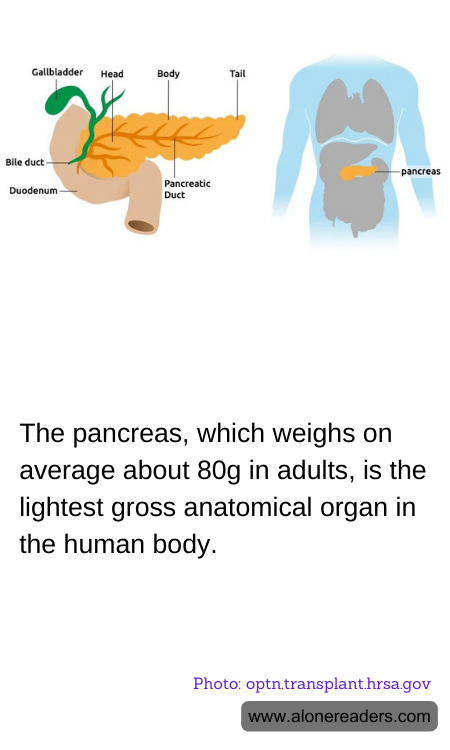
The pancreas, often overshadowed by more prominently known organs, is a fascinating and vital component of the human body's endocrine and digestive systems. Despite its small size, typically weighing around 80 grams in adults and being the lightest gross anatomical organ, the pancreas plays a crucial role in maintaining overall health.
Located behind the stomach and closely associated with the small intestine, the pancreas performs dual functions that are indispensable. First, it acts as an exocrine gland, producing enzymes important for the digestion of fats, proteins, and carbohydrates. These enzymes are sent through a series of ducts to the small intestine, where they assist in breaking down food into absorbable substances.
Additionally, the pancreas serves as an endocrine gland. This role involves producing and releasing important hormones directly into the bloodstream. The most notable of these hormones is insulin, which is essential for regulating the body's glucose or sugar levels. Insulin helps maintain blood glucose within a normal range, preventing the high and low blood sugar levels that characterize diabetes, a disease in which the pancreas’ ability to produce or use insulin is impaired.
The pancreas’s crucial functions underscore the importance of its health and proper functioning. Conditions such as pancreatitis, pancreatic cancer, and type 1 or type 2 diabetes can severely affect its ability to function normally, leading to significant health problems. Pancreatitis involves inflammation of the pancreas and can be acute or chronic. Acute pancreatitis is a sudden inflammation that occurs over a short period and can be life-threatening, while chronic pancreatitis develops gradually and can deteriorate into severe complications.
Pancreatic cancer, although less common, is particularly deadly due to its typically late detection and rapid progression. Maintaining pancreatic health is complex and involves a combination of diet, lifestyle choices, and genetics. A diet low in processed foods and rich in fruits, vegetables, lean proteins, and whole grains can support the pancreas and promote its functioning. Additionally, avoiding excessive alcohol consumption and smoking, managing stress, and regular medical check-ups can help in early detection and prevention of diseases associated with the pancreas.
Understanding and acknowledging the critical roles played by the pancreas despite its small size and weight is key to recognizing symptoms and seeking timely medical intervention for pancreatic disorders. Continual research and education on pancreatic functions and disorders hold the promise of enhancing treatments and increasing survival rates for pancreatic diseases.
