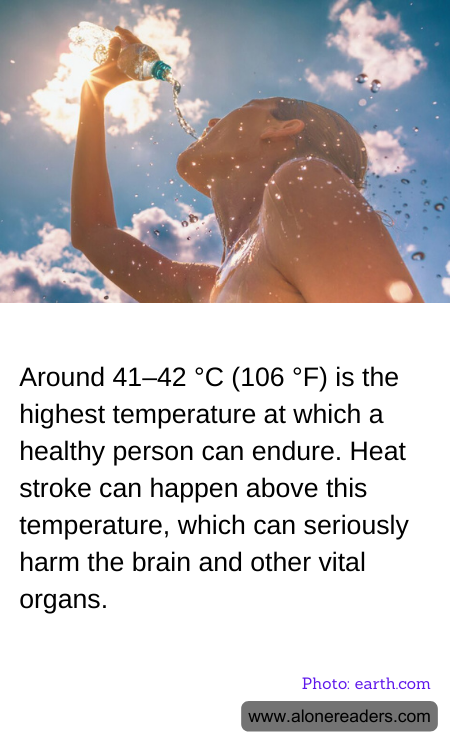
The human body is remarkably adaptable to a range of climates and conditions, yet there are undeniable limits to what it can withstand. A key threshold occurs around the temperatures of 41–42 °C (about 106 °F). Above this temperature, the body's natural cooling mechanisms often struggle to maintain a safe internal environment, making such conditions extremely perilous.
Heat stroke is the most severe form of heat injury and is considered a medical emergency. When the ambient temperature rises above the critical threshold of 41–42 °C, the risk of heat stroke significantly increases. Heat stroke occurs when the body's temperature regulation system is overwhelmed, and it can no longer effectively cool itself through perspiration and blood circulation to the skin. This failure leads to a rapid rise in core body temperature, potentially causing damage to the brain and other vital organs.
Symptoms of heat stroke can include high body temperature, altered mental state or behavior, alteration in sweating patterns, nausea, and flushed skin. Rapid intervention is crucial to cool down the affected individual to a safer body temperature and to address any organ dysfunction.
Extended exposure to high temperatures can also exacerbate pre-existing conditions and lead to complications even after the initial heat-related illness is treated. This makes prevention and timely recognition of the signs of heat exhaustion—such as heavy sweating, weakness, dizziness, muscle cramps, and rapid heartbeat—vital. These symptoms can serve as a warning system to prevent progression to heat stroke.
To protect against such risks in high temperatures, it's recommended to stay hydrated, wear light clothing, and avoid strenuous activities during peak heat hours. When the thermometer climbs to extreme heights, understanding the risks and knowing how to respond can be crucial in safeguarding health.
