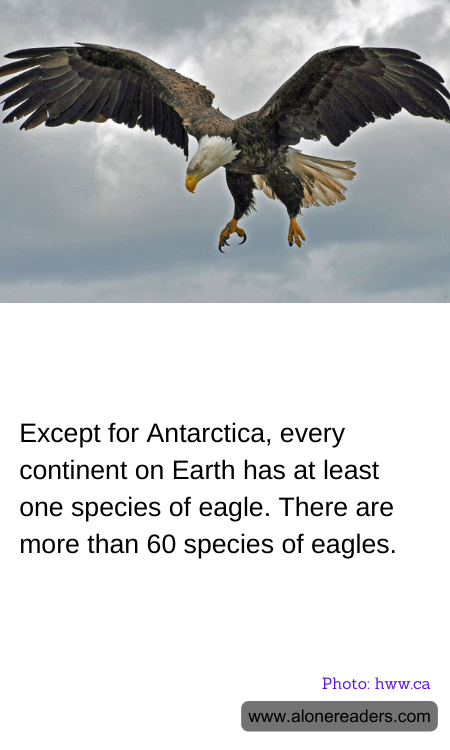
Eagles, with their majestic presence and formidable hunting skills, are among the most widely recognized and respected birds of prey worldwide. Except for Antarctica, these powerful raptors are found on every continent, adapting to a vast array of environments and climates from the dense rainforests of South America to the rugged mountain ranges of Asia.
There are over 60 species of eagles, each uniquely tailored to its habitat. In North America, for instance, the bald eagle stands not only as a symbol of the United States but also as a conservation success story. Once endangered due to hunting, pesticides, and habitat loss, substantial legal protections and environmental efforts have seen their populations rebound significantly. Europe and Asia are home to the golden eagle, known for its remarkable agility and speed, making it one of the most feared aerial predators.
African skies are ruled by the martial eagle, with a wingspan that can exceed 250 centimeters and known for its incredible strength capable of knocking an adult man off his feet. Meanwhile, in Australia, the wedge-tailed eagle occupies the throne, famous for its long, distinctively shaped tail and expansive wingspan, which is the largest of any eagle in the world.
Eagles typically exhibit features such as powerful muscular physiques, heavy heads, strong beak, and keen eyesight—traits that make them formidable hunters. Their diets are as varied as their habitats, ranging from fish and small mammals to snakes and other birds. The Solitary Eagle, for instance, might prey on larger forest animals, while the Harpy Eagle prefers the canopies of Central and South America, hunting monkeys and sloths.
Interestingly, eagles also play a significant role in various cultural mythologies and are revered in many societies. The eagle is a common national symbol, seen on flags and in emblems from the Americas to the Middle East. The bird's prowess and hunting prowess often symbolize strength, freedom, and independence, resonating with national identities.
The widespread presence of eagles across the globe highlights not only their adaptability but also the richness of our planet's ecosystems. They not only fascinate bird watchers and wildlife enthusiasts but also play critical roles in their ecosystems, helping control populations of other animals and thus maintaining balance. However, despite their global reach, many species of eagles are threatened by habitat destruction, pollution, and poaching. Conserving their habitats and supporting legal protections are vital steps in ensuring that future generations will also be able to witness the grandeur of eagles in the wild.
