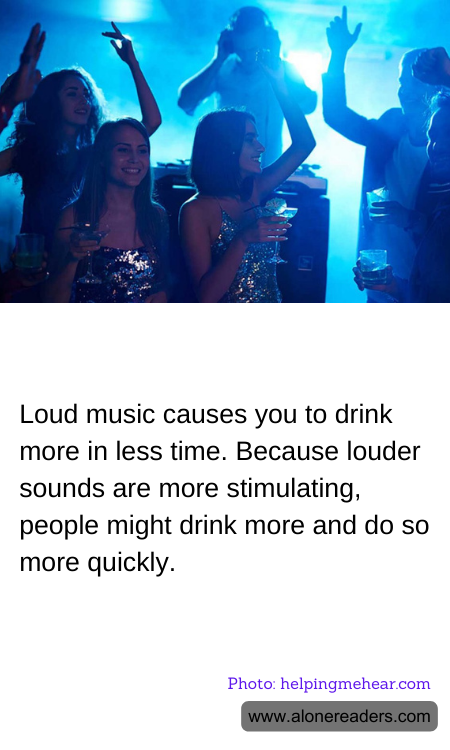
Loud music and its influence on drinking behavior is an intriguing area of research that ties together auditory environments with human consumption patterns. Studies have shown that louder music, with its high-energy output, can lead to quicker and increased alcohol consumption. This phenomenon can be partially explained through the psychological and physiological effects of sound on human behavior.
Loud music typically equates to more stimulation. When music is played at a high volume, it raises the energy level of the venue, whether it’s a bar, nightclub, or private party. This heightened stimulation affects the brain’s chemistry by releasing more dopamine, a neurotransmitter associated with pleasure and reward pathways. The enhanced sensory experience can make the act of drinking more pleasurable and can lead to patrons drinking more without fully realizing it.
Moreover, loud music can contribute to social behaviors that encourage faster consumption. In noisy environments where verbal communication is difficult, there might be a lesser focus on conversation and a greater focus on non-verbal cues and activities, such as drinking. The difficulty in holding a conversation could lead individuals to drink their beverages more quickly than they otherwise would in a quieter setting.
Additionally, loud music often leads to an increased heart rate and overall excitement, which can disguise the effects of alcohol. In the noisy environment, individuals might not recognize how much alcohol they are consuming, or how intoxicated they are becoming, because the external cues that normally help one gauge their intoxication level are obscured. This lack of awareness can further encourage excessive drinking, as individuals continue to consume without a proper assessment of their limits.
Bars and clubs often intentionally leverage this dynamic, playing loud music to create an energized atmosphere that may encourage more drink purchases. From a business perspective, it’s beneficial; however, it raises ethical questions regarding consumer safety and public health.
Overall, understanding the link between loud music and increased alcohol consumption emphasizes the importance of moderating sound levels in venues serving alcohol. It also highlights the need for individuals to remain conscious of their consumption habits, particularly in high-energy auditory environments. Whether measures should be taken to regulate sound levels in such settings is a topic worth considering, as part of broader efforts to promote responsible drinking and reduce alcohol-related harms.
