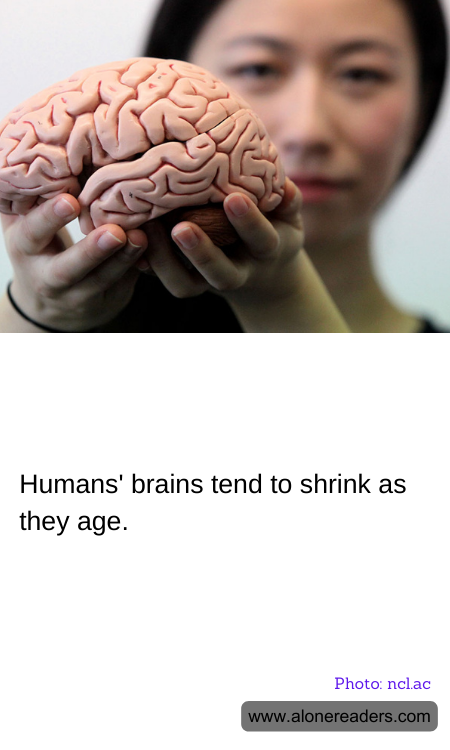
As human beings age, a significant number of changes occur within their bodies, one of the most striking being the shrinkage of the brain. This phenomenon, known medically as brain atrophy, involves a reduction in brain volume and mass as individual neurons decrease in size and the connections between them become less robust.
The process of brain shrinkage typically begins in a person's 30s or 40s and progresses gradually from there. By the time an individual reaches the age of 60, the rate of shrinkage can accelerate. Studies have shown that the average adult brain shrinks by about 5% per decade after the age of 40, with the rate increasing to as much as 1% per year after the age of 70.
Several factors contribute to this age-related decline. Age brings about a reduction in the production of essential neurochemicals that help in the transmission of signals between nerve cells. There's also a decline in vascular health which can affect blood flow to the brain, limiting the supply of oxygen and vital nutrients needed for optimal brain function. Furthermore, the protective sheaths that cover nerve fibers can deteriorate, slowing the speed of communication within the brain.
The consequences of brain shrinkage are profound, impacting various cognitive functions including memory, decision making, and emotional regulation. This brain decline is closely linked with neurological conditions such as Alzheimer’s disease and other forms of dementia. However, it's important to note that brain shrinkage does not necessarily equate to loss of cognitive abilities directly, as the brain can often adapt and reorganize itself, a phenomenon known as neural plasticity.
To mitigate these effects, researchers recommend several preventive measures. Engaging regularly in physical exercise and maintaining a balanced diet rich in antioxidants can help sustain brain health. Intellectual activities such as reading, solving puzzles, and learning new skills are also encouraged to boost brain function and delay degenerative changes. Regular social interactions can also stimulate brain activity and enhance mental health. These practices, coupled with proactive health monitoring, can play a significant role in managing the effects of brain shrinkage as an individual ages, supporting a higher quality of life well into the later years.
