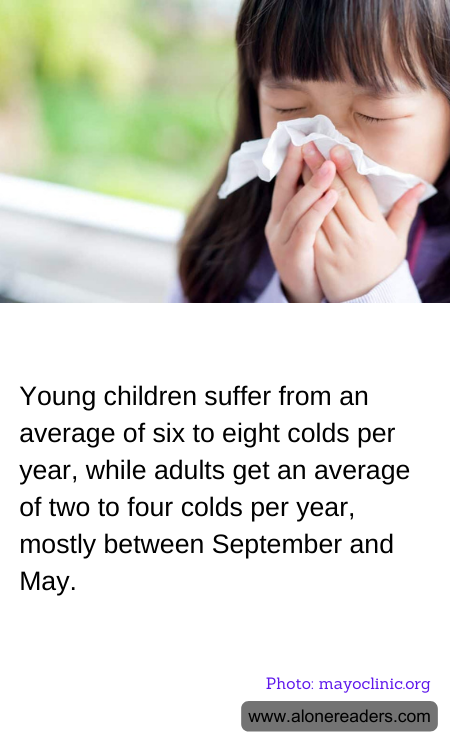
Young children are particularly susceptible to colds, averaging six to eight episodes each year, in contrast to adults who experience about two to four cold occurrences annually. This higher incidence in children can be attributed to their still-developing immune systems and their close contact with peers in school or daycare environments, where viruses spread easily. For both age groups, colds are more common from September to May, a period that coincidentally aligns with the traditional school year in many countries and also with cooler weather which may contribute to indoor crowding and increased transmission of viruses.
Colds, caused by a variety of viruses with the rhinoviruses being the most common culprits, lead to symptoms like runny nose, coughing, sneezing, sore throat, and sometimes fever. These symptoms, while generally milder in adults, can be particularly uncomfortable for children and can lead to other complications such as ear infections or worsened asthma. Although there is no cure for the common cold, managing symptoms and supporting the immune system through adequate rest, hydration, and nutrition can help alleviate the discomfort and potentially reduce the duration of the cold.
Moreover, preventative measures such as frequent hand washing, teaching children to sneeze and cough into their elbows, and keeping surfaces clean can help reduce the spread of cold viruses. Additionally, fostering a generally healthy lifestyle that includes regular physical activity and a balanced diet can strengthen the immune system, making both children and adults better equipped to fend off the common cold as well as other infections.
Understanding the patterns and differences in cold incidence between adults and children, and taking proactive steps towards prevention and good health practices, are key components in managing this ubiquitous, yet disruptive, health issue. As research continues and as healthcare advice evolves, finding effective ways to minimize the impact of the common cold remains a significant public health focus, especially in environments with high susceptibility and transmission rates.
