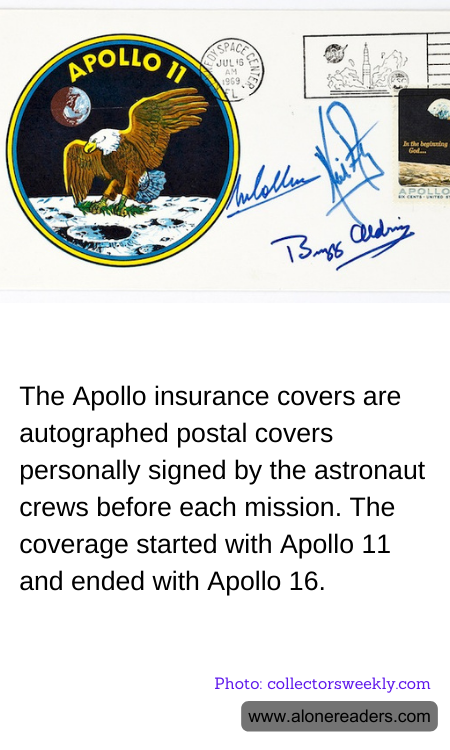
The practice of creating autographed postal covers for space missions became particularly popular during the era of the Apollo missions. These covers, simple envelopes that bore a printed design or illustration relevant to the mission, were signed by the crew prior to their journey. Collectors and space enthusiasts cherish these covers as historical artifacts that directly connect back to the pivotal moments of human space exploration.
The tradition began with significant enthusiasm during the Apollo 11 mission, the first manned moon landing in 1969. As Neil Armstrong, Buzz Aldrin, and Michael Collins embarked on this unprecedented journey, they left behind their autographs on these specially designed postal covers. These became not just souvenirs but also a form of insurance for their families. The idea was that, should the mission fail, the value of these autographed covers could support their families financially. Thankfully, such measures never needed to be tested, as the mission was a resounding success.
Following Apollo 11, subsequent missions continued this tradition through Apollo 16. Each mission's crew would sign a number of these covers, which were postmarked on significant dates related to the missions, such as launch or landing days. The artwork on the covers often included iconic symbols like the mission patch, images of the spacecraft, or artistically rendered celestial bodies, further enhancing their collectibility and aesthetic appeal.
Despite only encompassing six missions, these autographed Apollo insurance covers offer a unique chronological documentation of human spaceflight during this era. Today, these covers are highly prized by collectors, not just for their rarity or aesthetic value, but for their intimate connections to the astronauts and the historic missions they represent. They stand as tangible, personal tokens from a daring period in space history, capturing the ambition, fears, and triumphs of the individuals who ventured beyond our planet.
