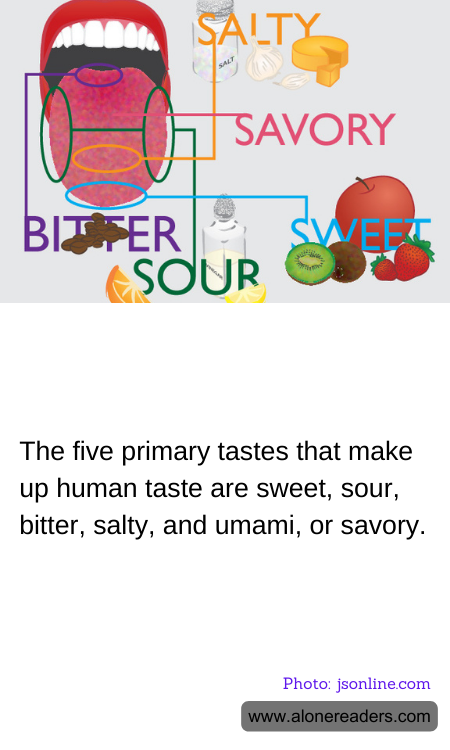
The sense of taste is a critical evolutionary tool that has helped humans to discern nutritious food from harmful substances. Commonly, it is understood that human taste comprises five basic categories: sweet, sour, bitter, salty, and umankind. Each flavor plays a unique role in aiding survival and has a unique sensory mechanism.
Sweetness, often associated with the presence of sugar, is typically a marker of energy-rich foods. The sweet taste signals to our bodies the presence of carbohydrates in various forms, which are essential sources of energy. Historically, this could have oriented our ancestors towards ripe fruits and certain vegetables crucial for survival.
Sourness signals the acidity of substances. Citric acid in many fruits is a common example of the sour taste. This taste can help to identify foods that might be rich in vitamin C but can also serve as an indicator of spoiled or unripe food, thus preventing potential harm from consumption of such materials.
Bitterness, perhaps the most aversive of the tastes, is typically a natural warning system against the consumption of toxic substances. Many poisons and toxins found in plants and animals have a bitter taste, and recognizing this can avert ingestion of potentially lethal substances. However, not all bitter-tasting substances are harmful; some, like the compounds in green tea or dark chocolate, are known to offer health benefits.
Saltiness is primarily attributed to the presence of sodium, a critical electrolyte that helps regulate bodily functions. Salt is necessary for hydration and nerve transmission and was historically valuable and difficult to obtain in many inland areas. The human drive for salty foods is essentially an evolutionary push towards maintaining dietary balance and ensuring adequate intake of minerals.
Umami, or savory, is the most recently acknowledged flavor, identified by Japanese scientist Kikunae Ikeda in the early 20th century. This taste is often associated with foods that contain glutamates, which are prevalent in meats, cheese, broths, and some vegetables like tomatoes and mushrooms. Umami components are important for their role in satisfying hunger and fullness, making them crucial in diet and nutrition.
In conclusion, these five tastes are intricately linked to our dietary habits and choices. Understanding these tastes and their evolutionary significance can offer deeper insights into human health and nutritional needs, influencing everything from culinary practices to food industry standards. Each flavor not only guides our food preferences but also protects and nourishes our body in its own unique way.
