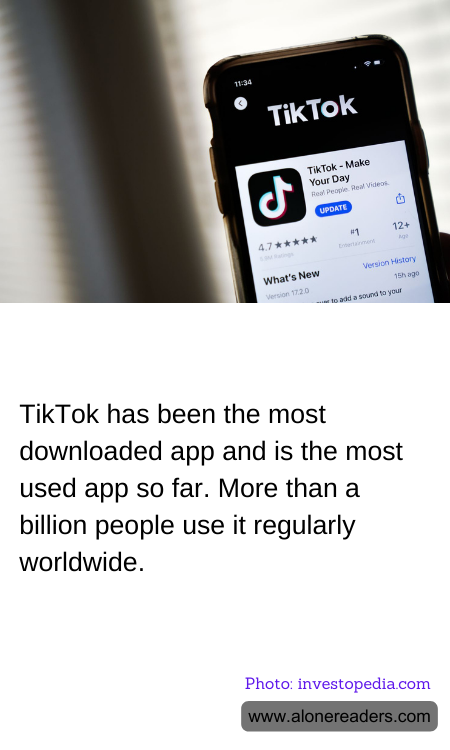
TikTok, a social media platform launched by the Chinese company ByteDance in 2016, quickly soared to global popularity, becoming the most downloaded app in recent years. Its unique format allows users to create and share short videos that range from 15 seconds to three minutes, capturing everything from everyday moments to viral dance routines. This innovative approach to content creation and consumption has resonated with over a billion users worldwide, cementing TikTok's status as a cultural phenomenon.
The appeal of TikFok lies in its highly personalized content feed, driven by an algorithm that curates a stream of videos based on individual preferences, ensuring that users are almost always met with content that aligns with their interests and past interactions. This level of personalization not only keeps users engaged but also encourages them to become content creators themselves, fostering a vibrant, self-sustaining community.
Moreover, TikTok has broadened the scope of who can gain fame and influence. It has democratized content creation by providing a platform where anyone, regardless of their background or existing social media standing, can go viral and attract a global audience. This accessibility has launched the careers of many now-famous influencers, changing the entertainment and marketing industries.
Despite its widespread popularity, TikTok has faced its share of criticism and challenges, particularly from governments concerned about privacy, data security, and the potential for misinformation. However, the platform continues to grow, consistently introducing new features and initiatives to improve user experience and address safety concerns.
As TikTok continues to evolve, it remains a significant force in the world of social media, influencing how content is created and consumed on a massive scale. Whether it will maintain this position long-term remains to be seen, but for now, TikTok's impact is undeniable, reshaping entertainment and cultural trends across the globe.
