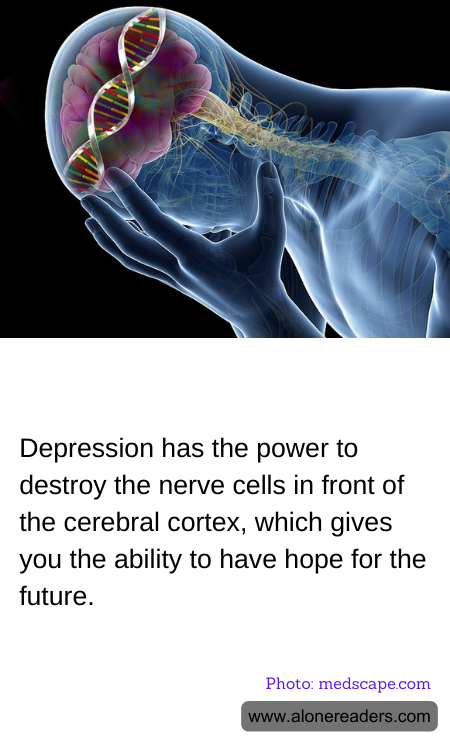
Depression is a common but serious mood disorder that affects how you feel, think, and handle daily activities. One of the alarming effects of depression is its impact on the brain, particularly the frontal lobe, which plays a critical role in managing emotions and making decisions. Recent studies suggest that depression does not only alter the brain's chemistry and function but can also lead to structural changes, potentially harming nerve cells in the cerebral cortex—the area responsible for critical thinking and future planning.
The frontal lobe, located at the front of the brain, is imperative for 'executive functions' such as emotional expression, problem solving, memory, language, judgment, and sexual behaviors. In individuals suffering from depression, the neural circuits in this area can be significantly affected. Chronic stress, a common trigger for depressive episodes, can increase the levels of cortisol in the body, which in the long run may lead to a reduction in brain volume and the degeneration of neurons in the affected areas. This in turn affects an individual's ability to remain hopeful and envision a positive future, exacerbating feelings of despair and helplessness.
Moreover, depression has been linked with the reduced generation of new neurons in the hippocampus, another part of the brain involved in mood regulation and memory. This disruption not only contributes to the symptoms of depression but can also make it more challenging for individuals to recover from the disorder, creating a vicious cycle of emotional pain and cognitive decline.
This understanding of depression’s impact on the brain underscores the importance of early intervention and comprehensive treatment approaches that support neuroplasticity—the brain's ability to reorganize itself by forming new neural connections. Therapeutic strategies such as psychotherapy, medication, and lifestyle changes in diet, exercise, and stress management can help mitigate these effects. Moreover, emerging treatments, such as neurofeedback or transcranial magnetic stimulation (TMS), offer hope by targeting brain activity directly.
Addressing depression holistically and promptly is crucial not just for the mental health of an individual but also for protecting the brain's integrity and functionality. Education and awareness about these neurological implications can also help reduce stigma and support individuals in seeking help early in their struggle with this debilitating disorder.
