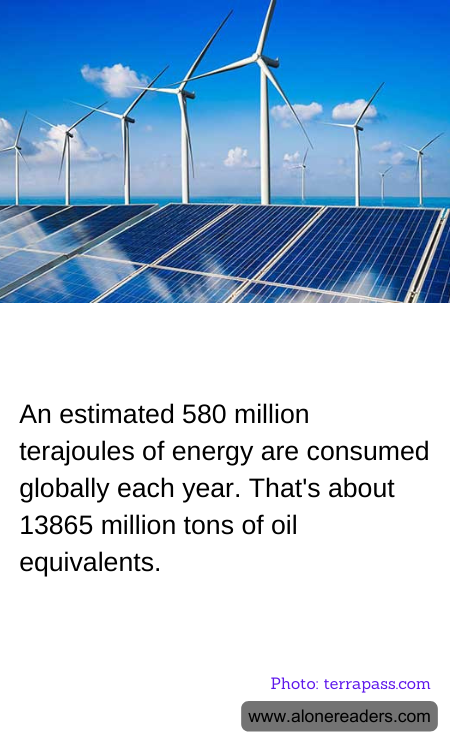
The sheer magnitude of global energy consumption is both awe-inspiring and alarming, given the continued reliance on non-renewable energy sources. With an estimated 580 million terajoules used annually, understanding the implications of this massive energy use is critical in the context of both environmental sustainability and economic stability.
This staggering amount of energy, equivalent to approximately 13,865 million tons of oil, highlights the intense demand placed on our planet's resources. The bulk of this energy still comes from fossil fuels—coal, oil, and natural gas—which are finite resources with a profound environmental impact. The combustion of these fuels releases large quantities of carbon dioxide, a leading greenhouse gas that contributes to global warming and climate change. Consequently, the massive dependency on such energy sources not only depletes natural reserves but also poses significant risks to environmental health and sustainability.
The global community recognizes the urgency of transitioning to more sustainable energy sources like wind, solar, and hydro. These renewable sources are pivotal as they offer a much lower environmental impact compared to fossil fuels. Solar power, for instance, harnesses energy from the sun, and wind energy captures the natural power of wind currents, both of which provide cleaner alternatives that can be continually replenished without harming the planet.
Efforts to shift towards renewable energy sources have been gaining momentum, driven by technological advancements, economic incentives, and international policy agreements aimed at reducing carbon emissions. Governments around the world have been progressively investing in renewable energy projects and infrastructure, encouraging the development of more efficient storage technologies and striving for broader adoption through subsidies and legal frameworks.
Despite these efforts, the transition from fossil fuels to renewable energy sources remains a significant challenge. Economic interests, infrastructure limitations, and geopolitical factors continue to impede rapid progress. Additionally, the high initial costs of transitioning to renewable energy infrastructures pose a notable barrier, particularly for developing countries.
Addressing these challenges requires not just national commitment but also international cooperation and shared goals. Initiatives like the Paris Agreement provide a framework for countries to pledge to reduce carbon emissions, yet the effectiveness of such initiatives depends fundamentally on the collective will and concerted efforts of all stakeholders involved.
In conclusion, while the scale of global energy consumption underscores a daunting challenge, it also prompts a significant opportunity for change. Transitioning to renewable energy sources is essential for sustainable development and mitigating environmental degradation. Continued investment in technology, cooperative international policies, and an integrated approach that includes both consumption-side and supply-side solutions are necessary to steer our global energy consumption towards a more sustainable and less destructive path.
