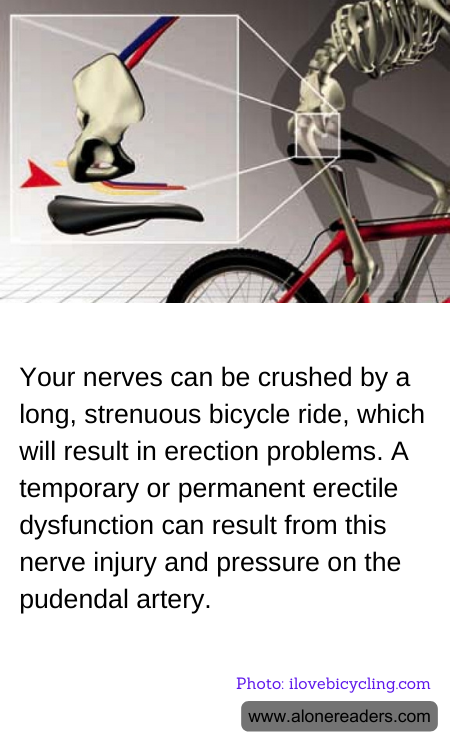
Cycling is a fantastic aerobic exercise, known for improving cardiovascular health, boosting stamina, and enhancing overall fitness. However, it is important to consider the potential impact of prolonged bicycle riding on men's sexual health. An issue that some cyclists may encounter is the development of temporary or even permanent erectile dysfunction, a condition arising partly due to nerve compression and vascular insufficiency.
The primary concern revolves around the design of most bicycle seats, which can exert significant pressure on the perineum—the area between the anus and the genitals. This pressure can affect the pudendal nerve, which plays a critical role in arousal and erection. When cyclists spend long hours riding, the sustained pressure can lead to the nerve being compressed or damaged, potentially leading to a decrease in sensation and an inability to achieve or maintain an erection.
Additionally, the same pressure can impair blood flow through the pudendal artery, which supplies blood to the genital region. Reduced blood flow can further exacerbate issues with erectile function, sometimes leading to vascular-related erectile dysfunction.
It's crucial for cyclists who experience symptoms such as numbness, tingling, or erectile issues to consider these factors. Modifying cycling equipment and behavior can mitigate risks. For instance, using a well-padded, anatomically designed bike seat can reduce pressure on the perineum. Additionally, taking regular breaks during long rides and adjusting the bike's handlebar and seat height for an optimal riding position can also help alleviate undue stress on the pudendal nerve and artery.
Cyclists should not be discouraged as these problems are not inevitable and can often be managed with appropriate measures. Consulting with a healthcare professional specializing in sports medicine or urology can provide guidance specific to individual needs, ensuring that one can continue to enjoy the benefits of cycling while minimizing adverse effects. Awareness and proactive management are key in preventing and addressing this delicate issue, thus maintaining both general health and sexual well-being.
