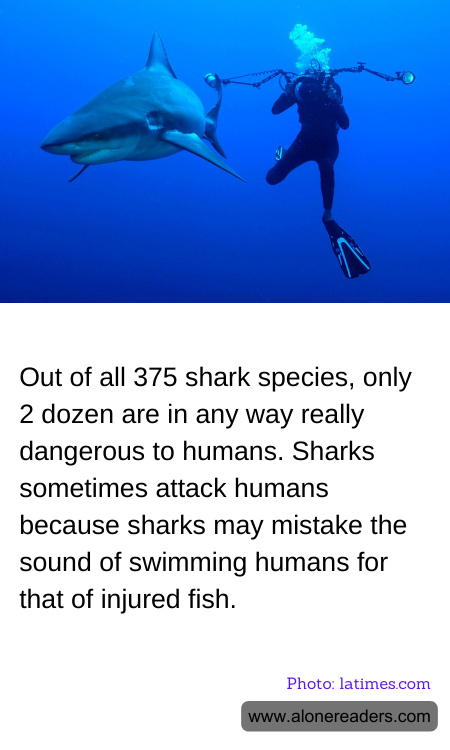
Sharks have captivated human imagination and feared for centuries, yet out of the roughly 375 known species of sharks, only about two dozen are considered to be dangerous to humans. Many species prefer to avoid human contact, and interactions that do lead to attacks are often attributed to curiosity or mistaken identity rather than predatory aggression. Sharks, using their highly developed sense of hearing, can detect irregular vibrations in the water, which are often produced by struggling fish. Swimming humans can unintentionally replicate these sounds, particularly through erratic movements or splashing, which might confuse a shark into thinking a wounded prey item is nearby.
Despite their fierce reputation, shark attacks are exceedingly rare. Statistically, an individual is more likely to be struck by lightning or injured in a car accident than be attacked by a shark. Most of the time, sharks are not actively seeking to interact with humans. Species such as the great white shark, tiger shark, and bull shark are among the few that account for the majority of unprovoked attacks on humans – yet even these encounters are rare occurrences. Education and conservation efforts continue to play essential roles in reducing these encounters and in dispelling common myths about sharks being insatiable man-eaters.
Conservationists emphasize the importance of preserving these creatures, many species of which are currently threatened by human activities like overfishing and habitat destruction. Sharks play a vital role in marine ecosystems, helping to regulate the populations of other sea creatures and maintain the health of the oceans. The decline of shark populations is a serious concern, indicating disrupted ecosystems and a weakening of ocean health. Through measures like protected marine areas, regulated fishing quotas, and public education efforts, humans can help ensure that sharks can continue to thrive in their natural habitats. Understanding and respecting the role of sharks in the ocean and recognizing the rarity of attacks can help reduce fear and promote coexistence between humans and sharks.
