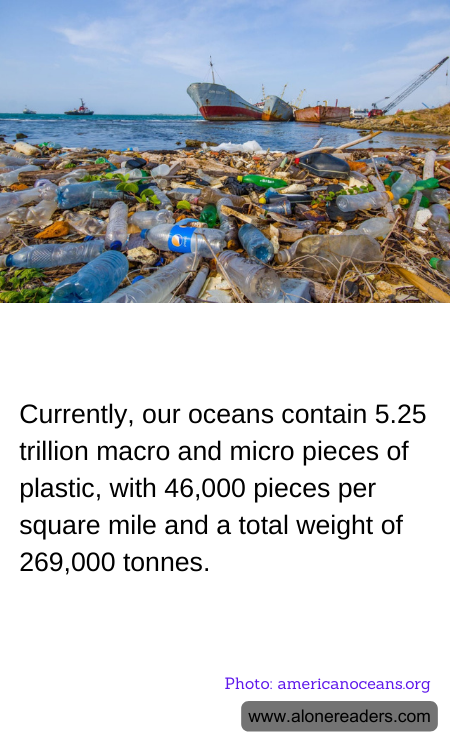
The state of the world’s oceans has become a focal point for environmental concern, as they are currently burdened with an estimated 5.25 trillion pieces of plastic, weighing a staggering 269,000 tonnes. These plastics permeate the waters in both macro and micro forms, literally choking large marine ecosystems at a density of 46,000 pieces per square mile. This pollution not only endangers marine life but also disrupts the entire aquatic ecosystem and eventually impacts human health.
Macro plastics often consist of larger debris such as water bottles, plastic bags, and discarded fishing gear. These items can directly endanger sea life; animals can become entangled or ingest these materials, often with fatal consequences. Microplastics, on the other hand, although less visible, are perhaps more insidious. These tiny particles arise from the degradation of larger plastic products and can be consumed by even the smallest marine organisms, thus infiltrating the food chain. This not only affects marine species, with studies showing disturbances in reproduction and growth, but also poses significant risks to human health. Humans consume these contaminated fish and seafood, leading to potential exposure to chemicals leached from plastics.
The omnipresence of plastic waste correlates strongly with global production and consumption patterns where single-use plastics prevail. Despite growing awareness and some regulatory efforts, the rate of plastic pollution accumulates at a pace nature cannot withstand. Given the persistent nature of plastics, a piece discarded today can remain in the marine environment for hundreds of years, perpetually cycling through different forms and causing ecological disturbances.
Addressing this crisis requires a multifaceted approach. Enhanced global regulations on plastic production, usage, and disposal is critical. Initiatives aimed at plastic clean-up and recycling can alleviate some immediate environmental impacts. Yet, perhaps most crucial is the need for widespread public education and cultural shifts toward sustainable consumption patterns.
In an era where sustainability is paramount, the condition of our oceans is a telling reflection of broader environmental stewardship. The alarming figures on oceanic plastic pollution underscore a need for urgent collective action. Turning the tide on this issue means not just cleaning up what has been spoiled but rethinking our societal relationship with plastic altogether. This will not only help safeguard marine biodiversity but ensure cleaner, healthier oceans for future generations.
