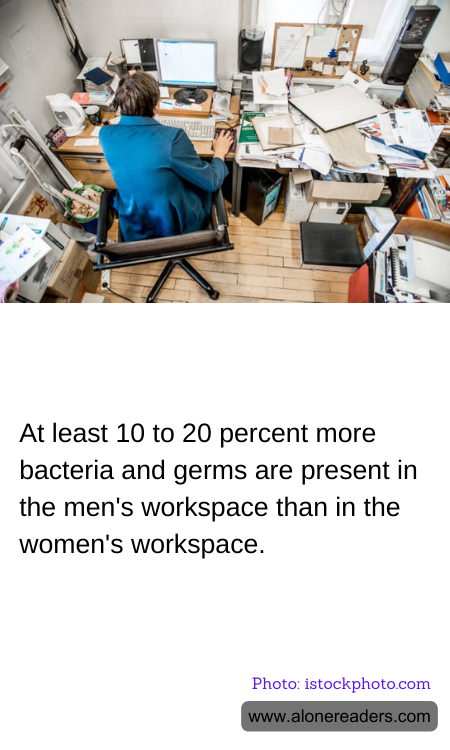
It's a bit of an eye-opener, but studies suggest that the desks and workspaces of men typically harbor 10 to 20 percent more bacteria and germs than those of their female counterparts. This discrepancy can be attributed to several factors, including varying hygiene practices and lifestyle differences between genders.
Men’s workspaces generally tend to accumulate more bacteria due to less frequent cleaning and maintenance. Research shows that men are less likely to clean their desks regularly compared to women. Furthermore, men are more likely to have eating habits that contribute to the proliferation of germs at their workspace; for example, eating at their desks and not cleaning up adequately afterward.
The types of items found at men's workspaces also play a role in germ accumulation. For instance, personal electronic devices, which are frequently handled and rarely cleaned, are common germ hotspots. These devices include smartphones, keyboards, and computer mice, all of which can carry a high load of bacteria from constant contact with hands.
Understanding these microbial differences is important for workplace health and safety. Increased exposure to germs can elevate the risks of acquiring infections, which not only affects individual health but can also impact productivity due to sickness absences. Therefore, promoting regular and thorough cleaning practices across all workspaces is essential. Moreover, encouraging personal hygiene, such as hand washing and the use of sanitizers, can significantly reduce the spread of germs.
Workplace policies might also need to consider these findings to create a healthier environment. This could include providing adequate facilities for employees to store food properly, frequent cleaning of shared spaces and equipment, and perhaps even gender-specific health and safety guidelines.
Overall, while the differences in cleanliness between men’s and women’s workspaces are notable, focusing on individual and shared responsibilities for maintaining a clean working environment can help bridge this gap and ensure a healthier workspace for everyone.
