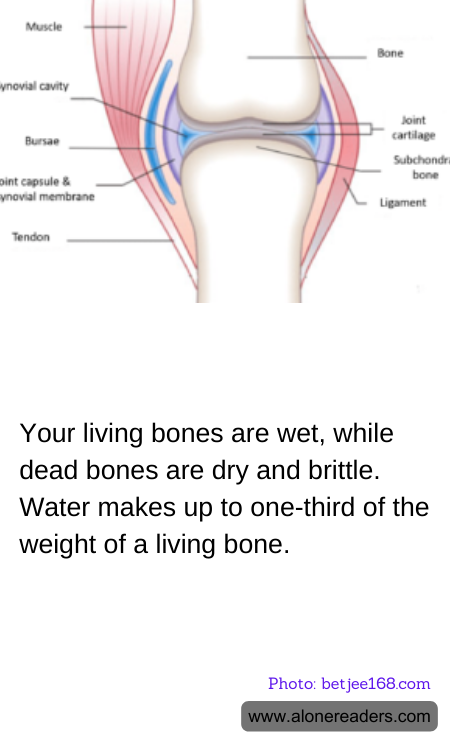
Bones are a vital component of the human body, performing essential functions such as providing structure, protecting organs, and anchoring muscles. Often perceived as dry and hard structures, living bones are in fact teeming with life and moisture. Surprisingly, water constitutes about one-third of a living bone's weight, playing a crucial role in its health and functionality.
Living bones differ markedly from the dry, brittle bones that most people are familiar with, such as those seen in a skeleton in a classroom. These differences are largely due to the presence of water. In living bones, water is part of the bone tissue, which comprises cells and the extracellular matrix. This matrix is made up of collagen (a protein giving bone its toughness) and hydroxyapatite (a mineral that provides rigidity). Water in the bones acts as a lubricant and a shock absorber, helping the bone withstand various stresses without breaking.
Furthermore, water is essential for the metabolic processes within the bones, including the transport of nutrients and waste products in and out of the cells. This hydration helps maintain the bone’s strength and flexibility. When bones lack adequate moisture, they can become more fragile and susceptible to fractures.
The change in bone composition from a living to a non-living state explains why archaeological finds and handled bones appear dry and brittle. Once the biological processes cease, the water and organic materials gradually diminish, leaving behind a drier, more mineralized structure. This natural loss accentuates the brittleness seen in bones long separated from their once-living host.
Understanding the role of water in bone biology not only highlights the dynamic nature of this tissue but also underscores the importance of maintaining proper hydration and nutrition to support bone health. Diseases such as osteoporosis, linked to decreased bone mass and increased fragility, can stem in part from inadequate hydration and mineral balance in the body. Thus, maintaining a diet rich in vitamins and minerals and ensuring adequate water intake is essential for sustaining bone mass and preventing bone-related diseases.
This intricate balance of components in living bones illustrates the complex interdependency between various elements that constitute a healthy, functioning human body. Bone health is not solely reliant on calcium and vitamin D, as common belief holds, but also significantly on the hydration supplied by water within the living tissue. Such insights not only refine our understanding of human anatomy but also guide better practices in health and dietary habits to maintain our skeletal strength throughout life.
