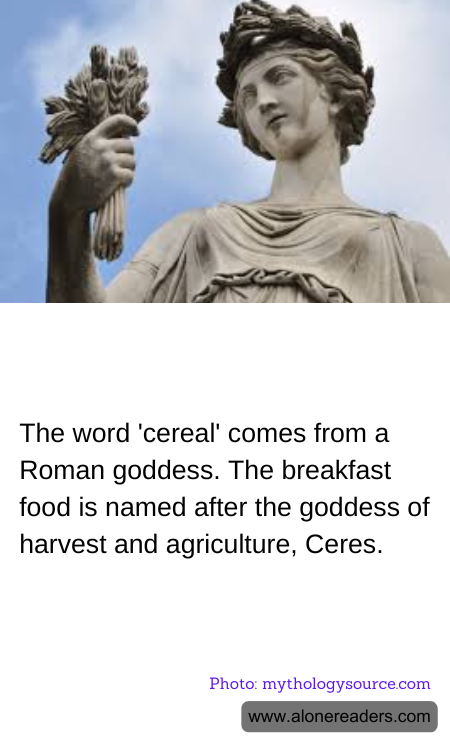
The connection between breakfast cereals and ancient mythology is both fascinating and unexpected. The term "cereal" indeed originates from the name of the Roman goddess Ceres, who was revered as the deity of agriculture and grain crops. Ceres, whose care over the cultivation of grains was crucial for the Roman people, symbolized the sustenance and fertility that came from the harvested crops. Over time, her name became synonymous with the daily staple foods made from grains.
The transformation of 'Ceres' into the term 'cereal' used in modern language underscores the long-standing significance of grain in the human diet. Cereals, as we know them today, are primarily made from processed grains such as wheat, oats, rice, corn, and barley and appear on breakfast tables around the world in various forms—from hot porridges to cold flakes. It was only with advancements in food processing technologies in the 19th century that cereals evolved into the forms enjoyed today. These processed grains were recognized for their convenience and nutritional value, ideally suited to meet the demands of the fast-paced lifestyles of the industrial era.
Moreover, the branding of breakfast cereals often leverage this mythological connection, invoking themes of health, abundance, and natural origins which appeal to consumers’ desires for wholesome foods. This lasting influence highlights not only the cultural importance of cereal crops but also the timeless relevance of ancient symbols in modern contexts.
Thus, when indulging in a bowl of your favorite breakfast cereal, you are not just nourishing your body with essential nutrients but also partaking in a tradition that dates back to ancient Roman worship and agricultural practices—a testament to the enduring relationship between food, culture, and mythology.
