Exploring the vibrant underwater world has become more accessible than ever thanks to an innovative feature from Google Maps. The platform, known primarily for its street views and satellite imagery, now allows users to dive virtually into the depths of the oceans to experience the mesmerizing beauty of sea life and coral reefs. This feature serves not only as an educational tool but also as an immersive way for people around the globe to appreciate and understand the importance of marine ecosystems.
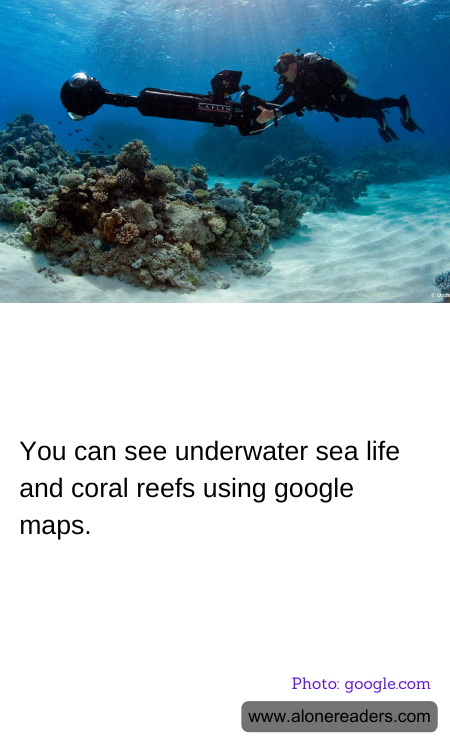
Google has accomplished this by collaborating with scientists and oceanographers to collect underwater imagery using specialized cameras. These cameras, similar to the equipment used for Google’s Street View cars, capture 360-degree views of the underwater environment. Users can explore various renowned underwater locations such as the Great Barrier Reef in Australia, the Molokini crater in Hawaii, and the Chagos Archipelago in the Indian Ocean. Each site offers a unique display of colorful fish, intricate coral formations, and other marine organisms in their natural habitats.
The imagery not only showcases the beauty of the ocean but also highlights the current state of coral reefs which are under threat from climate change, pollution, and overfishing. By providing a window into these underwater worlds, Google Maps promotes a greater awareness among its users about the fragility and the urgent need for conservation of these vital ecosystems.
Moreover, educators and students are finding this tool exceptionally useful for learning and teaching about marine biology, environmental science, and geography. It enables an interactive experience that can inspire more informed conversations about ocean conservation strategies and the sustainable practices needed to protect these essential resources.
In essence, Google Maps’ venture into underwater exploration has not only expanded the horizons of virtual tourism but has also elevated the platform’s role in environmental education and activism. Whether for educational purposes, research, or simple curiosity, exploring the ocean's depths through the screen is a compelling testament to how technology can help bridge the gap between humanity and the natural world.
