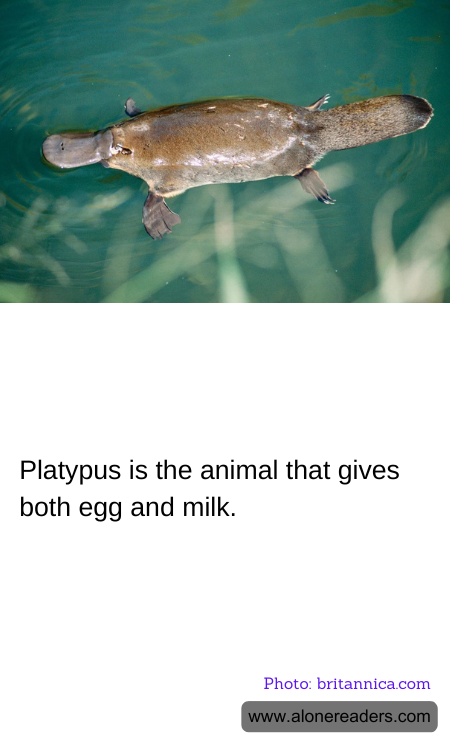
The platypus, often considered one of the most intriguing creatures on the planet, possesses a unique combination of characteristics that make it a subject of fascination and study. As one of the few mammals known to lay eggs, the platypus shares this rare trait with only four other species of monotremes, such as the echidna. This egg-laying feature, combined with their ability to produce milk, positions the platypus uniquely in the animal kingdom.
Native to eastern Australia, including Tasmania, the platypus inhabits rivers and freshwater lakes, where it dives to feed predominantly on insects, larvae, shellfish, and worms. The animal has a very distinctive appearance, featuring a duck-like bill, webbed feet, and a flat, beaver-like tail, all of which equip it superbly for an aquatic life.
The reproductive process of the platypus is particularly fascinating. Females lay between one and three eggs and keep them warm by curling around them. The platypus eggs are somewhat similar to reptile eggs; they are leathery and much smaller than bird eggs, measuring about the size of a marble. After about ten days, the eggs hatch, and the young, which are vulnerable and immature, are fed by the mother’s milk.
What makes the platypus even more unusual is its method of milk delivery. Platypuses do not have teats; instead, milk is released through pores in the skin. The milk pools in grooves on the mother’s abdomen, allowing the young, commonly known as puggles, to lap it up. This is not just a biological curiosity; the platypus milk has been found to contain unique proteins, which might help develop new antibiotics, given their ability to fight resistant bacteria.
Adding further to the platypus’s unusual set of features, the male platypus has spurs on its hind feet that can deliver venom capable of causing severe pain to humans. This venom is primarily used in male-to-male combat during the breeding season. Though not lethal to humans, a sting from a platypus spur can result in swelling and excruciating pain that can last for weeks.
Beyond its peculiar biology, the platypus holds a significant place in the cultural and ecological landscape of Australia. It is a symbol of biological diversity and evolutionary history, often used as a motif in popular culture and indigenous stories. Conservation efforts are crucial in protecting this unique species, as habitat destruction and water pollution pose significant threats to its populations.
As scientists continue to study the platypus, it serves as a reminder of nature’s capacity for variety and adaptation. The platypus not only underscores the complexity of evolutionary biology but also fascinates and inspires curiosity across the globe, making it one of the most extraordinary mammals in existence.
