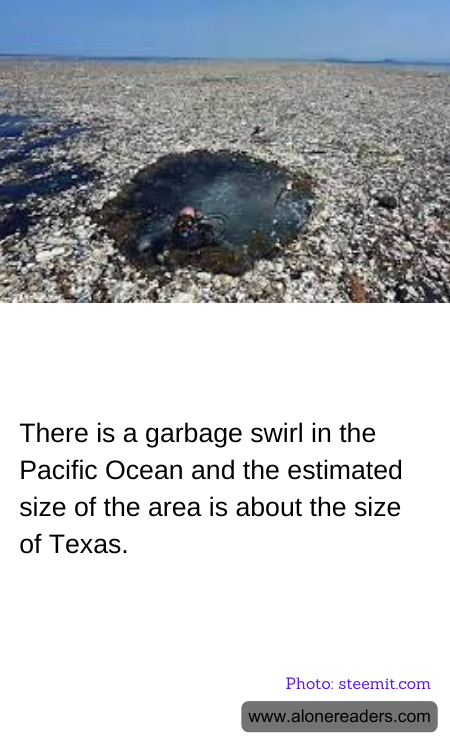
The vast expanse of the Pacific Ocean harbors a disturbing environmental anomaly known as the Great Pacific Garbage Patch (GPGP), a massive accumulation of marine debris and plastic waste roughly the size of Texas. The GPGP, located between Hawaii and California, is one of several such patches in the world’s oceans, formed by circulating ocean currents called gyres. These gyres draw in the debris and trap it, allowing for a concentration of garbage that poses severe threats to marine life, ecosystems, and human health.
The composition of the garbage patch is primarily plastics, ranging from large discarded fishing nets to microplastics, which are tiny plastic pieces less than five millimeters in length. These plastics do not biodegrade; instead, they slowly break down into smaller pieces under the impact of sunlight and ocean currents but remain polymers. Over time, these microplastics can absorb toxic chemicals released from industry and agriculture, further contaminating the marine environment.
The ecological implications of the GPGP are profound. Marine animals often mistake plastic debris for food, leading to blockages in their digestive systems, which can be fatal. Additionally, the ingestion of plastic and the chemicals absorbed by plastics can have significant impacts further up the food chain, including on human health, as these toxins are ingested by fish that are later consumed by people. Moreover, the presence of so much debris disrupts natural oceanic processes, such as light penetration and nutrient circulation, which are crucial for the health of marine ecosystems.
Addressing the challenges posed by the GPGP is complex. Cleanup efforts such as those initiated by non-profit organizations like The Ocean Cleanup project, which uses barriers and nets to collect trash, are underway. However, these efforts must be matched with substantial reductions in plastic production and consumption worldwide, along with better waste management and recycling initiatives. Public awareness campaigns and policy changes reducing the use of single-use plastics play a critical role in these prevention strategies.
In conclusion, the Great Pacific Garbage Patch is a stark illustration of the impacts of human activity on the natural world. It highlights the critical need for global cooperation and innovation in tackling environmental challenges, especially in reducing our reliance on plastics and enhancing our commitment to sustainable practices. By working together, it is possible to mitigate these effects and protect the marine environment for future generations.
