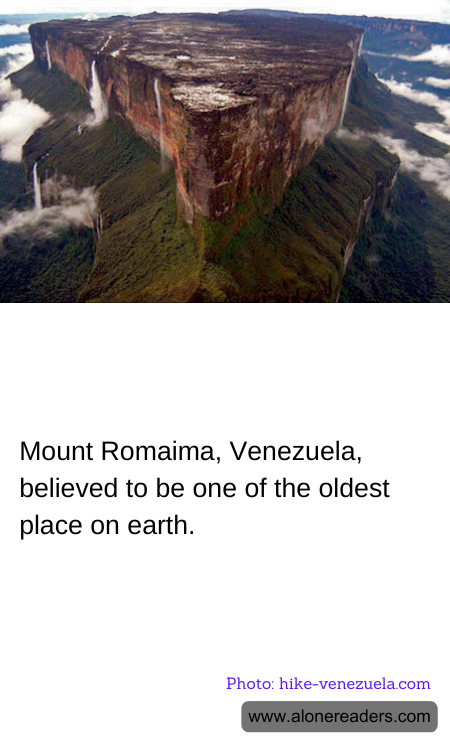
Mount Roraima, located on the triple border between Venezuela, Brazil, and Guyana, is often described as one of the oldest geological formations on Earth. This stunning tabletop mountain, known as a tepui, is part of the Guiana Shield in South America and is thought to be over two billion years old. Rising dramatically from the surrounding rainforest, Mount Roraima towers at an elevation of around 2,810 meters (9,219 feet).
The geography of Mount Roraima is characterized by its sheer cliffs and a relatively flat top that covers an area of about 31 square kilometers (12 square miles). This plateau is home to a unique ecosystem, largely isolated from the ground below for millennia. This has facilitated the evolution of many endemic species of plants and animals that are not found anywhere else on the planet. Notable among these are strange formations of flesh-eating pitcher plants, peculiar black toads, and unique species of orchids and bromeliads.
The climate atop Mount Roraima is vastly different from the humid rainforests at its base. The top often experiences cool temperatures, frequent heavy rainfall, and swirling mist, which contributes to its mysterious and otherworldly atmosphere. This weather has shaped an eerie landscape of rock formations, which local indigenous mythology explains as the stomping ground of their gods and spirits.
Mount Roraima first came to international attention in the 19th century. English explorer Sir Walter Raleigh mentioned it in 1596, but it was not until the expedition led by British botanist Everard Im Thurn in 1884 that any outsider reached the top. The mount has since drawn trekkers and adventure tourists who undertake the challenging journey to experience its unique landscape and stunning vistas.
The cultural significance of Mount Roraima extends into the beliefs of the indigenous Pemon people, who regard the mountain as a sacred site. They call it "Roroi-ma," which means "big blue-green," indicative of its majestic presence and lush covering. According to Pemon mythology, this tepui is the site where everything began, making it a pillar of their spiritual world.
In modern times, Mount Roraima remains a symbol of mystery and exploration, inspiring works of literature such as Arthur Conan Doyle's "The Lost World," where the tepui serves as the setting for a land where prehistoric creatures still roam. For the adventurous souls who manage to scale its heights, the mountain offers a profound connection with a primeval part of the earth's history, literally walking on one of the oldest exposed lands in the world.
