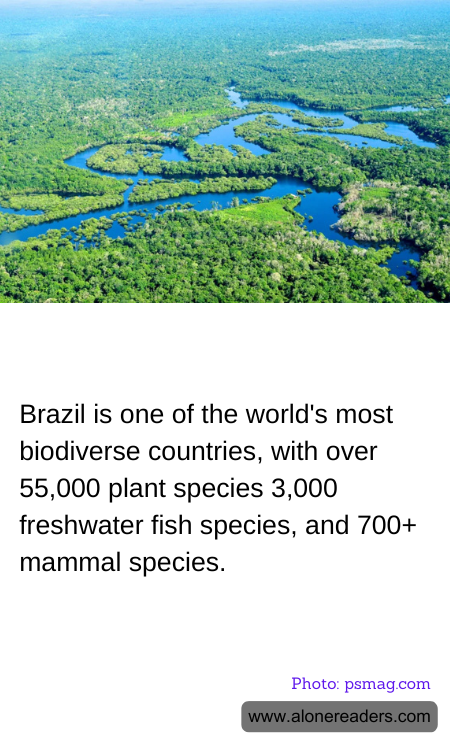
Brazil stands as one of the global leaders in biodiversity, hosting an incredible range of wildlife and plant species, which underscores its environmental significance and the crucial role it plays in global ecological health. The expansive and diverse habitats found within Brazil, including the Amazon rainforest, the Pantanal wetlands, and the Atlantic Forest, contribute to the country's rich tapestry of life, making it a veritable treasure trove of biological diversity.
The country is home to over 55,000 different plant species, a staggering number that represents about 20% of the world’s total plant species. This vast array of flora not only provides critical habitats for countless animal species but also serves as an essential resource for medicinal research and a buffer against climate change. The role these plants play in capturing carbon dioxide and producing oxygen is vital at a time when the global community is grappling with the escalating impacts of climate change.
In terms of fauna, Brazil is equally impressive. It boasts more than 3,000 species of freshwater fish, which thrive in its numerous rivers and lakes. This includes the pirarucu, one of the world's largest freshwater fishes, and the brightly colored neon tetra, popular in aquariums around the world. The diversity of fish species reflects the rich and varied aquatic ecosystems that are crucial for biological research and maintaining ecological balance.
The country also supports more than 700 species of mammals, ranging from the powerful jaguar and the elusive puma to the giant anteater and the capybara, the world’s largest rodent. Each of these species plays a specific role in their ecosystems, whether as a predator, prey, or forager, which in turn maintains the ecological dynamics that sustain biodiversity.
However, this biodiversity is under threat from deforestation, urbanization, and agriculture, which encroach on natural habitats and reduce biological diversity. The destruction of habitats not only threatens wildlife but also impacts humans, leading to a loss of medicinal resources and destabilization of local and global ecosystems.
Conservation efforts in Brazil are critical in the fight to preserve its unique biodiversity. Initiatives to protect and regenerate the Amazon and other vital habitats are crucial. Internationally, Brazil's biodiversity must be recognized and supported through global environmental policies and sustainable practices that promote the conservation of the unique ecosystems instead of their exploitation.
Preserving Brazil's ecological heritage is not just a matter of national pride but a significant concern for global environmental health. Such efforts will help ensure that Brazil continues to nurture its role as a vital keeper of the planet's biological diversity, benefiting present and future generations worldwide.
