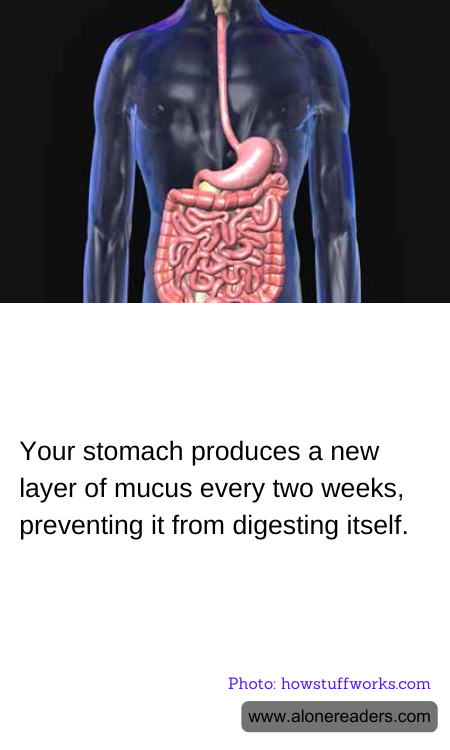
The human stomach is equipped with a remarkably efficient method of protecting itself from the very acids it produces for digestion. Every two weeks, the stomach's mucosal lining renews itself, creating a fresh layer of mucus. This ongoing process is crucial for maintaining the health and functionality of the stomach.
The primary role of this mucus layer is to shield the stomach wall from digestive juices, which are highly acidic and capable of breaking down food particles. The stomach secretes hydrochloric acid and digestive enzymes to help in the breakdown of food, initiating the digestive process. However, these substances are also potent enough to damage the stomach's own tissues. The mucus barrier contains bicarbonate ions, which neutralize these acids and protect the stomach lining from potential harm.
This regeneration of the stomach's mucus barrier is just one example of the body's many sophisticated defense mechanisms. It underscores the dynamic nature of the human body's internal environment and its ability to maintain homeostasis. This mucus is not only a physical barrier but also an active part of the digestive process, as it contains enzymes and other substances that aid in breaking down food and absorbing nutrients.
The process of mucus renewal is crucial for preventing gastro-intestinal maladies, including ulcers, which can occur when holes are formed in the lining due to a breakdown in this protective barrier. Factors that can disrupt the mucus barrier include excessive consumption of alcohol, chronic stress, and certain medications like non-steroidal anti-inflammatory drugs (NSAIDs). Thus, maintaining the health of this mucus layer can be directly correlated with overall stomach health and the prevention of various digestive disorders.
This fascinating aspect of human anatomy not only highlights the complexity of bodily functions but also the importance of maintaining a lifestyle that supports these natural defensive systems. By understanding and respecting the body's innate mechanisms for self-protection, we can better manage our health and prevent disease.
