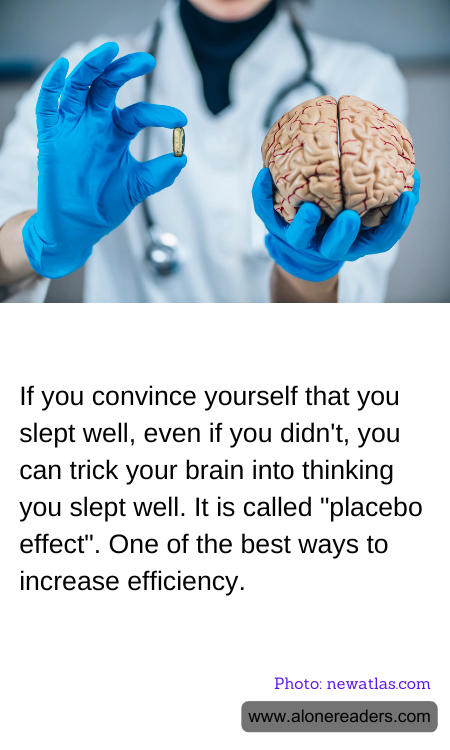
The mysterious and versatile power of the human brain offers ample avenues for self-improvement, one of which involves the intriguing phenomenon known as the placebo effect. Typically associated with medical treatments, where patients experience real changes in their health after being given treatments that are inert or ineffective, the placebo effect extends its reach into various aspects of psychological well-being, including sleep quality. Surprisingly, convincing oneself of having slept well, even after a night of poor sleep, can significantly alter the perception of one's own restfulness and overall mental state during the day.
This psychological trick relies on the brain's capability to influence bodily reactions and attitudes based on perceptions and beliefs. When a person firmly believes they have received adequate rest, the body can mimic the benefits associated with a good night's sleep. These benefits include improved mood, increased cognitive function, and better overall energy levels. Although this phenomenon doesn't replace the genuine health benefits of actual sleep, it can serve as a temporary coping mechanism during periods of sleep deficiency.
Research in cognitive psychology suggests that self-suggestion can modify the way we process our physical and mental states. When individuals expect good outcomes based on their own beliefs, such as expecting to feel energized after a seemingly long sleep, the brain can concoct a reality that aligns with those expectations. This self-induced belief can help counteract feelings of fatigue and lethargy, making it a useful tool for managing sleep deprivation.
However, while the placebo effect regarding sleep can provide temporary relief and enhance daily functioning, it is not a substitute for the physical and cognitive reparations that occur during actual sleep. Long-term sleep quality is crucial for maintaining mental health, physical health, and overall well-being. Therefore, while the mental hack of believing you slept well can help mitigate some effects of poor sleep in the short term, addressing the underlying causes of poor sleep and working towards achieving consistent, quality rest should be a priority for anyone facing recurring sleep issues.
In the fast-paced and often sleep-deprived modern world, utilizing cognitive tricks like the placebo effect can indeed increase efficiency and productivity. However, such strategies should be balanced with efforts to improve actual sleep habits and hygiene. Encouraging a healthier sleep schedule, creating a restful environment, adhering to a consistent bedtime, and avoiding stimulants before sleep are all proactive steps towards this goal. Thus, while the mind's ability to 'trick' itself is fascinating and useful, cultivating genuine, quality sleep is invariably the more sustainable strategy for long-term health and efficiency.
