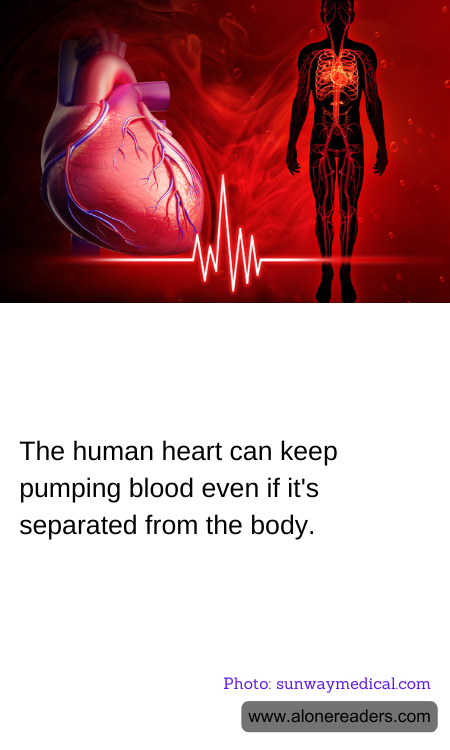
The human heart is a remarkable organ with an intrinsic ability to create its own electrical impulses, which can keep it beating even when separated from the body, under the right conditions. This phenomenon highlights the autonomic nature of the heart, driven largely by what's known as the sinoatrial node—a cluster of cells situated in the upper right chamber of the heart that serves as the natural pacemaker.
In laboratory settings, researchers and medical professionals have demonstrated that the heart can continue to beat outside the body, provided it receives an adequate supply of oxygen-rich blood or a nutrient solution mimicking this supply. This is achievable through a process called perfusion, wherein the heart is connected to a device that pumps the necessary fluids through it, emulating the blood flow it would normally receive from the body.
Understanding and harnessing this capability of the heart has profound implications in the realm of medicine, particularly in cardiac surgery and transplants. For example, organ transplantation has been revolutionized by devices that can keep donor hearts beating while they are transported from donor to recipient. This method, known as ex-vivo perfusion, can keep hearts viable longer than traditional icebox methods, potentially increasing the success rates of transplants.
Furthermore, the ability of the heart to beat independently is a cornerstone in cardiac research, providing invaluable insights into heart health, disease, and therapeutics. Studies involving isolated heart preparations have helped researchers understand how the heart reacts to stress, drugs, and various therapeutic interventions without the variability introduced by other body systems.
Nevertheless, while the heart can beat outside of the body under controlled conditions, it is crucial to acknowledge that such an isolated heart is not a living organism by itself. It cannot sustain its activity indefinitely without the complex support network provided by a living body. Thus, while it’s a powerful demonstration of the heart’s robustness and a useful tool in medicine, it remains a component deeply integrated and dependent on the body’s overall physiological context.
