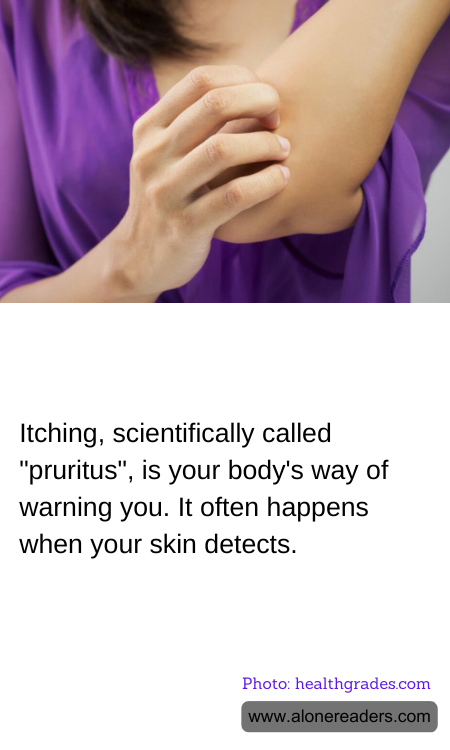
Itching, or pruritus, is a common sensation that prompts the desire to scratch the affected area. While often perceived as a minor annoyance, itching serves as an important neurological response designed to protect the body from potential harm. It can be triggered by a variety of factors ranging from skin conditions, allergies, and irritations to more systemic causes like diseases and medications.
The mechanism behind itching involves complex interactions between skin cells, nerve fibers, and various chemical signals. When the skin detects a harmful substance or irritation, it responds by releasing histamine, a compound that helps in defending against these irritants. Histamine then stimulates nerve endings in the skin, sending signals to the brain that are perceived as itching. The act of scratching is thought to help remove or dislodge the irritant, although it can sometimes exacerbate the problem.
Common skin-related causes of itching include dry skin, eczema, and psoriasis. Dry skin, or xerosis, is particularly prevalent in colder, drier climates and can often be managed with regular moisturizing and avoidance of harsh, drying soaps. Eczema and psoriasis, on the other hand, are chronic conditions that cause the skin to become inflamed, resulting in redness, itching, and sometimes the formation of scaly patches. Management of these conditions typically involves topical treatments, adequate skin hydration, and in some cases, prescription medications.
Itching can also result from allergic reactions, such as those triggered by contact with certain plants, animal dander, or food allergies. In these instances, the body's immune system reacts to what it mistakenly perceives as a harmful substance, leading to inflammation and itching. Antihistamines or corticosteroids are commonly used to alleviate these symptoms.
Systemic diseases like liver disease, kidney failure, and thyroid disorders can also manifest as itching. The buildup of toxins in the body that are normally excreted can stimulate nerve endings and lead to a persistent itch. Similarly, some medications, particularly opioids and certain types of antibiotics, can cause pruritus as a side effect.
Given the varied causes of itching, treatment depends largely on identifying the underlying cause. Moisturizers and over-the-counter anti-itch creams may provide relief in cases of mild irritation or dry skin. However, persistent or severe itching that doesn't improve with self-care measures should be evaluated by a healthcare provider. They can perform tests to determine the cause of the itch and prescribe appropriate treatments, whether they be topical medications, systemic drugs, or other therapies suited to the specific condition causing the symptoms.
In conclusion, while often trivialized, itching is a significant bodily function with protective purposes. It acts as a cue for us to address potential irritants or underlying health issues. By understanding and responding to the cause of itching, individuals can not only alleviate this discomfort but also potentially uncover and manage underlying health concerns.
