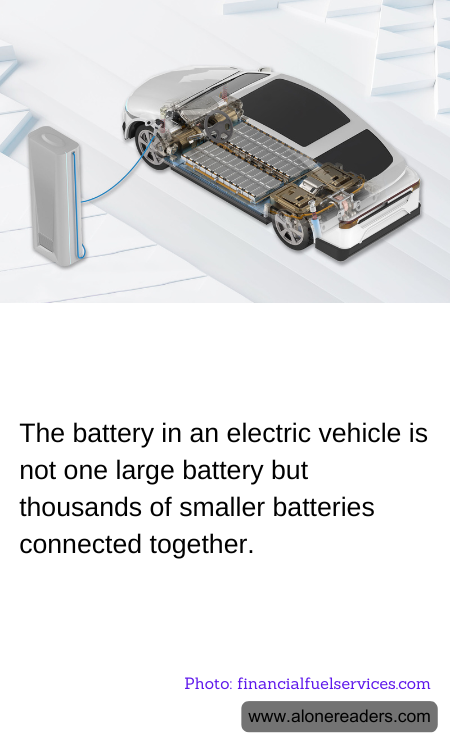
When it comes to the heart of an electric vehicle (EV), the battery, there is a common misconception that it consists of one large, single unit. In reality, an EV battery is an assembly of thousands of smaller batteries, typically lithium-ion cells, which are linked together to form what is known as a battery pack. This modular approach offers a range of advantages in terms of efficiency, safety, and scalability.
Each small battery cell within the pack is similar to those found in consumer electronics, like smartphones and laptops. However, these cells are optimized for automotive use, which means they can handle higher energy demands and have a longer life cycle. When assembled, these cells are grouped into modules, and several modules are connected to create the entire battery pack. This pack not only powers the vehicle's motor but also its electronic systems, like air conditioning, infotainment, and lighting.
The structure of the battery pack is crucial for managing heat and ensuring safety. With thousands of cells closely packed together, managing heat dissipation is vital for maintaining performance and extending the life of the cells. Manufacturers use various cooling strategies, such as liquid cooling systems, to keep the temperature within safe limits. Safety is another critical aspect, as lithium-ion cells can pose fire risks if damaged or improperly managed. Thus, EV batteries are designed with protective measures such as robust casings and built-in fire retardant systems.
This modular structure also allows for flexibility in the design of electric vehicles. Depending on the required range and power, manufacturers can adjust the number and type of cells in the battery pack. This scalability is beneficial not only for different models of vehicles but also for different types of vehicles such as cars, buses, and trucks.
Additionally, if a part of the battery fails, only the module containing the faulty cells typically needs to be replaced, rather than the entire battery. This can significantly reduce maintenance and repair costs and contribute to the sustainability of the vehicle, as fewer resources are wasted.
As EV technology advances, we can expect further innovations in battery design, making them more efficient, safer, and even more integral to the performance and appeal of electric vehicles. Manufacturers continue to explore new types of battery cells, improved layouts, and advanced cooling designs to enhance the overall functionality and efficiency of EVs. These developments promise to accelerate the adoption of electric vehicles, marking significant steps toward sustainable transportation solutions.
