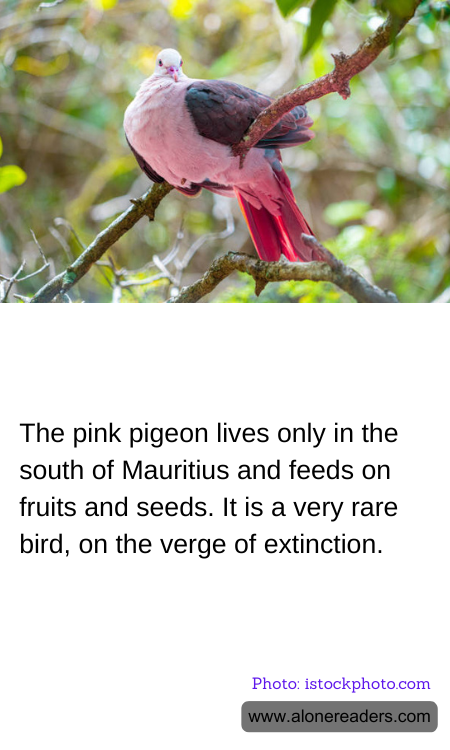
The pink pigeon, a unique species found exclusively in the southern regions of Mauritius, presents a captivating case of an organism on the brink of extinction. Recognizable by its soft, pink-hued feathers and gentle demeanour, this bird primarily subsists on a diet of fruits and seeds readily available in its natural habitat. This specialized diet, along with its limited geographic range, contributes to its highly vulnerable status.
Historically, the population of the pink pigeon experienced a drastic decline due to several anthropogenic factors. The destruction of its natural habitat for agricultural development, coupled with the introduction of invasive species like rats and monkeys, has jeopardized its food sources and nesting areas. Moreover, these invaders often prey directly on the bird's eggs and young, exacerbating the decline in population.
Conservation efforts have been critical in preventing the total extinction of the pink pigeon. Initiatives led by local and international organizations focus on habitat restoration and the control of invasive species. Breeding programs in captivity have also been established to help bolster the population, with some success in reintroducing bred pigeons back into the wild. Additionally, continuous monitoring and research are conducted to better understand the ecological needs and behaviors of this species, which are crucial for its recovery.
Despite these efforts, the pink pigeon remains endangered, and its survival is uncertain without ongoing and enhanced conservation measures. The bird is not just a symbol of the rich biodiversity of Mauritius but is also an indicator of the ecological health of the region. Preserving the pink pigeon is therefore not only about saving a single species but also about maintaining the ecological balance and the integrity of the natural environment in Mauritius. The commitment to saving the pink pigeon thus reflects a broader effort to protect our planet’s biodiversity, highlighting the interconnectedness of all species within an ecosystem.
