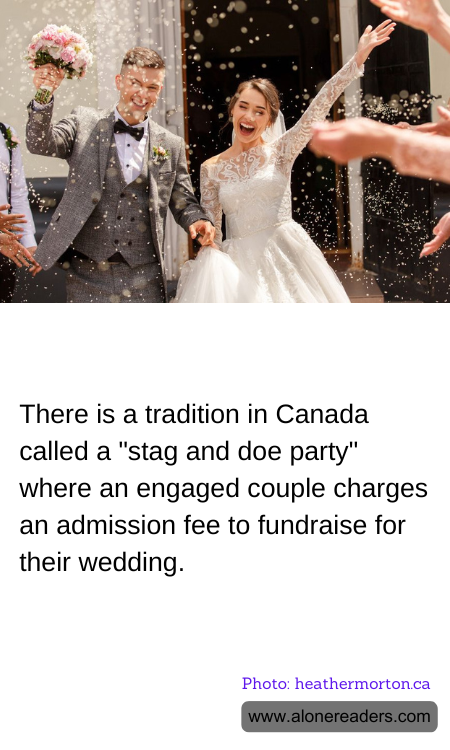
In Canada, one unique pre-wedding tradition that stands out is the "stag and doe" party, also known as a "Jack and Jill" party. This event is not just a celebration of the forthcoming nuptials but also serves as a creative way for the couple to fundraise for their wedding. Unlike typical bridal showers or bachelor parties that are specifically tailored to the bride or groom, a stag and doe party invites guests from both sides, making it a co-ed event.
The essential aspect of these parties is that they are fundraisers. Couples organize these events to gather some extra funds to cover the costs of their wedding or honeymoon. This is particularly helpful in today’s economic climate, where weddings can be incredibly expensive. At a stag and doe, guests pay an admission fee, which contributes directly to the wedding fund. Beyond the entry cost, these parties might also include games, raffles, and silent auctions where guests can participate for a fee.
The atmosphere at a stag and doe is festive, filled with music, dancing, and activities that encourage interaction among guests. It's not just a way to raise money but also an opportunity for friends and family to mingle and celebrate in a relaxed setting before the more formal wedding ceremony. Often, these parties include challenges and games like pie throwing, tug of war, or even dunk tanks, adding a fun and playful element to the event.
While some might argue that asking for money, in this form, takes away from the traditional gifts-giving aspect of a wedding, many see it as a pragmatic approach to dealing with the high costs associated with weddings. It also can be viewed as an opportunity for more guests to contribute, including those who may not be able to attend the wedding itself.
In conclusion, the stag and doe party represents a practical adaptation of traditional pre-wedding events, reflective of the community's support for the couple. It embraces the festive spirit of a wedding celebration while acknowledging the economic realities faced by many young couples today. As traditions evolve, it stands out as a distinctive blend of fun, finance, and community spirit inherent to Canadian societal customs.
