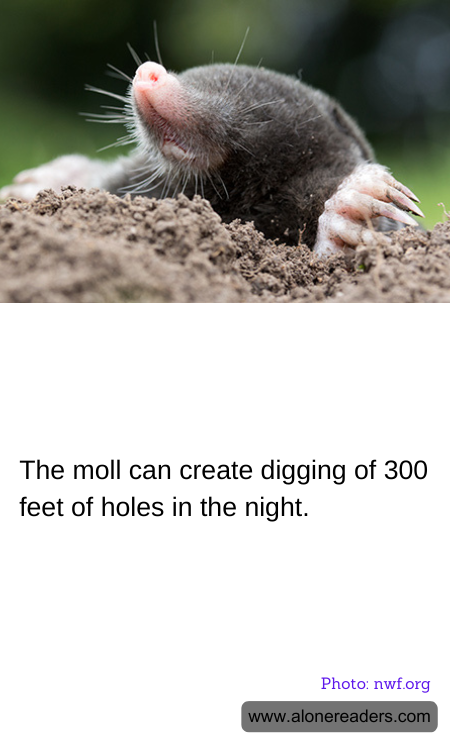
Moles, intriguing and industrious creatures, are remarkable for their ability to dig extensive tunnel systems. On average, a single mole can excavate 300 feet of tunnels in just one night. This impressive feat is due to their unique physiological adaptations specifically designed for a subterranean lifestyle. Moles possess powerful forelimbs with large paws and specialized claws that act like shovels to efficiently move dirt. Moreover, their cylindrical bodies and velvety fur facilitate easy movement underground, allowing them to navigate through soil with minimal resistance.
The primary motivation behind this extensive tunneling is the search for food. Moles primarily feed on earthworms, insects, and other invertebrates found in the soil. Their tunnels function as traps for these creatures, which fall into the tunnel, where the mole can easily catch them. This foraging method is highly efficient, ensuring that moles have a constant food supply directly delivered to their living quarters.
Moreover, the extensive network of tunnels also plays a critical role in the moles' mating rituals and territorial behaviors. During the breeding season, moles will often expand their tunnels in search of mates. The intricate tunnel system also helps protect moles from predators and environmental conditions, providing a safe, stable habitat where they can raise their young.
Though beneficial to the moles, their digging habits often put them at odds with gardeners and homeowners. The upheaval of earth can damage grassroots and create unsightly mounds and ridges on lawns, affecting the aesthetics and health of gardens and landscapes. Control measures, ranging from barriers to traps and repellents, are commonly employed to manage mole populations in affected areas.
Understanding these creatures' ecological role can help foster a more balanced perspective on their presence in our surroundings. While they can be problematic, moles also contribute to the ecosystem by aerating the soil, mixing nutrients, and controlling insect populations, which can benefit plant health in the long term. Balancing the needs of these small mammals with human interests in garden and property maintenance continues to be a subject of ecologically sensitive discussion and action.
