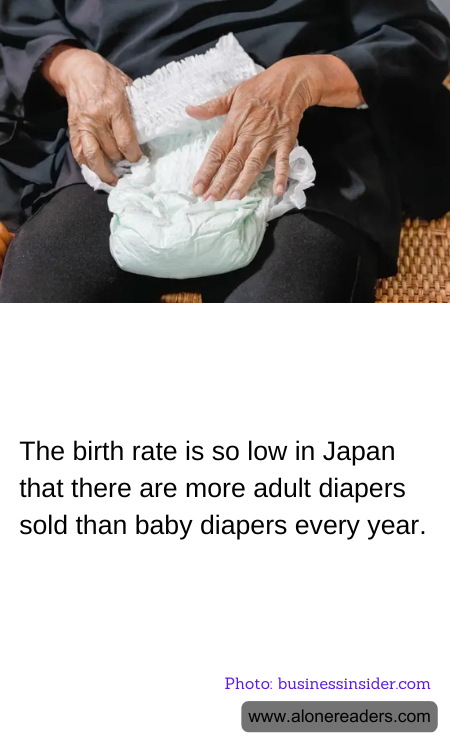
Japan's demographic landscape presents unique challenges, marked particularly by an astonishing shift where adult diapers outsell baby diapers. This phenomenon underscores the critical issue of Japan’s declining birth rate, an ongoing trend for decades, leading to a significantly aging population. The sales of diapers serve as a poignant indicator of demographic trends, with implications that extend far beyond simple market analytics into social policy and economic planning.
As of recent years, Japan's fertility rate has hovered around 1.3 to 1.4 children per woman, well below the replacement level of 2.1 needed to maintain a stable population. A variety of factors contribute to this low birth rate, including economic insecurity, the high cost of child-rearing, and significant societal expectations related to career and motherhood. Many young Japanese people delay marriage and childbearing in favor of educational and career advancements, contributing further to the decline.
The impact of this demographic shift is profound. Economically, a shrinking workforce strains under the growing demand for elderly care, while socially, the fabric of family and community life transforms. The increased sales of adult diapers vividly highlight the practical implications of aging demographics. They reflect not only increased demand for elderly care products but also hint at the healthcare industry's adaptation to an older populace.
Government and social responses to these changes have been multimodal, including efforts to make child-rearing more appealing and less burdensome through subsidies and support systems for young families, alongside a drive to encourage higher female participation in the workforce. These efforts aim to tackle the intertwined issues of gender equality, workplace inflexibility, and economic incentive structures that currently discourage having more children.
Innovation in healthcare products and services for the elderly is also on the rise, with companies investing significantly in products like adult diapers, which are expected to see increased demand over the coming years. These market adaptations indicate broader economic shifts as businesses anticipate and respond to consumer needs within an aging society.
This issue, reflected in the symbolic overtaking of baby diaper sales by adult diapers, serves as a stark reminder of the broader challenges facing Japan as it navigates the socioeconomic ramifications of an aging and shrinking population. The nation’s response to these challenges will likely serve as a case study for other countries facing similar demographic shifts in the future.
